
By ORA's Dermatology Team | Reviewed by Dr. Spandana P — M.B.B.S, M.D. Dermatology, Venereology & Leprology | ORA Skin & Hair Clinic, Kondapur | October 2026
At ORA Skin & Hair Clinic, Kondapur, we see more failed melasma treatments than almost any other condition. Patients arrive — from Gachibowli, Madhapur, HITEC City, and Banjara Hills — with patches that have been "treated" for 6, 12, sometimes 24 months and are either unchanged or darker than when they started. Rated 4.9★ on Google, ORA is one of the few clinics in Hyderabad where melasma is classified by depth before any treatment is prescribed. In most cases, the failure isn't because melasma is untreatable — it's because it was misclassified. In Hyderabad's climate — UV index 9–11 for 9 months of the year, humidity averaging 70% — the stakes of getting the protocol wrong are higher than almost anywhere else in India.
Here is what ORA's clinical assessment of melasma actually involves, why the most popular treatments fail, and what a correct protocol looks like for Indian skin.
What Melasma Is — and Why It's Not the Same as "Pigmentation"
Melasma is a chronic, recurrent hyperpigmentation disorder driven primarily by UV exposure and hormonal triggers (oestrogen, progesterone, thyroid hormones). It appears as irregular brown-grey patches on the forehead, cheeks, upper lip, and chin — collectively called the centrofacial pattern, which is the most common type in South Indian patients.
Melasma is not the same as post-inflammatory hyperpigmentation (PIH), which results from injury or acne. It is not the same as sun spots. The distinction matters because the treatment protocols are completely different — and applying a PIH protocol to melasma typically makes melasma worse.
The Classification That Changes Everything: Epidermal vs Dermal Melasma
At ORA, the first step in every melasma assessment is Wood's lamp examination — a UV light that reveals the depth of pigmentation:
- Epidermal melasma — pigment sits in the upper skin layers (epidermis). Wood's lamp accentuates the contrast. Responds well to topical depigmenting agents and superficial peels.
- Dermal melasma — pigment has deposited in the deeper dermis. Wood's lamp shows no enhancement. Significantly more resistant to treatment. Q-Switch laser is contraindicated — it fragments pigment in the dermis and causes inflammatory response that can deepen the discolouration.
- Mixed melasma — combination of both depths. Most common in ORA's Hyderabad patient population, particularly in Fitzpatrick Type IV–V skin. Requires a staged protocol addressing each layer separately.
According to a 2022 study in the Indian Dermatology Online Journal, over 60% of South Indian melasma patients present with mixed or dermal-predominant melasma — the type most clinics in Hyderabad treat incorrectly because they skip the Wood's lamp step.
Why the Most Popular Melasma Treatments in Hyderabad Fail
Q-Switch laser for dermal or mixed melasma
Q-Switch Nd:YAG is excellent for epidermal pigmentation — sunspots, café-au-lait marks, post-acne marks. For dermal melasma, it fragments deep pigment granules and triggers an inflammatory response. The inflammation stimulates melanocytes (pigment cells) to produce more melanin. The melasma gets worse. At ORA, we use Q-Switch for melasma only in specific epidermal-predominant cases, after Wood's lamp confirmation.
Standard chemical peels without UV protection
A glycolic or salicylic peel brightens the skin and temporarily reduces melasma appearance. Without rigorous sun protection (SPF 50+ PA+++ every 2 hours), the melanocytes reactivate within 4–8 weeks. Most patients who report "the peels stopped working" are experiencing reactivation from uncontrolled UV exposure — not treatment failure.
Glutathione IV drips without addressing the trigger
IV glutathione reduces melanin synthesis and produces visible brightening. It does not address the hormonal or UV trigger that is driving the melasma. Patients see improvement during the course and regression 2–3 months after stopping. At ORA, we use IV glutathione as part of a combination protocol — not as a standalone.
ORA's Melasma Protocol — What We Actually Do
- Wood's lamp classification — determine epidermal, dermal, or mixed type
- Hormonal screening — thyroid panel, oestrogen if indicated. Active hormonal melasma (OCP-triggered, pregnancy-related) requires hormonal management alongside topical treatment
- Fitzpatrick typing — determines safe peel concentration and laser parameters
- Photoprotection protocol — SPF 50+ PA++++, reapplied every 2 hours, mandatory. Without this, no treatment works. ORA prescribes a specific tinted sunscreen to block both UVA and visible light — visible light alone can trigger melanocyte activation in darker skin types
- Depigmenting cream — prescription-strength combination (hydroquinone 2–4%, kojic acid, azelaic acid, or tranexamic acid) chosen based on skin tolerance and previous reactions
- Peel selection — for epidermal component: mandelic acid or Cosmelan depigmentation system. For resistant mixed type: Cosmelan 1 in-clinic application followed by Cosmelan 2 home maintenance
- Maintenance — monthly review for 3 months, then quarterly. Melasma is chronic — the goal is long-term control, not a one-time cure
According to a 2021 review in the Journal of the American Academy of Dermatology, combination protocols addressing photoprotection + topical depigmentation + a procedural component produce 60–75% improvement in MASI (Melasma Area and Severity Index) scores at 12 weeks versus 20–30% for any single modality alone.
Cosmelan — ORA's Most Effective Melasma Treatment
Cosmelan is a professional depigmentation system that combines azelaic acid, kojic acid, phytic acid, and arbutin in a high-concentration mask applied in-clinic, followed by a maintenance cream used at home. It is one of the few treatments with Level 1 clinical evidence for mixed and dermal-predominant melasma in Indian skin types.
At ORA, Kondapur, a Cosmelan protocol is: one 4–8 hour in-clinic application (timing calibrated to your Fitzpatrick type and melasma depth), followed by 3–6 months of Cosmelan 2 home maintenance. Patients with Fitzpatrick IV–V skin see an average 50–65% MASI reduction at 12 weeks. Side effects — transient erythema and peeling in weeks 1–2 — are expected and indicate the treatment is working.
Hyderabad-Specific Factors That Drive Melasma Reactivation
Hyderabad's UV index averages 9–11 from February to November — the threshold at which unprotected skin accumulates UV damage within 20–30 minutes. Humidity of 60–80% reduces SPF compliance because sunscreen feels heavy and patients stop reapplying. At ORA, we prescribe a lightweight fluid SPF 50+ PA++++ specifically formulated for humid climates — compliance rates are significantly better than with standard cream sunscreens.
If You're Comparing Melasma Clinics in Hyderabad
Most clinics in Hyderabad treat melasma the same way regardless of type — a standard brightening peel or Q-Switch session. Before booking, ask these three questions:
- Do you use Wood's lamp to determine melasma depth before recommending a treatment?
- Do you check hormonal status — thyroid, OCP use — before starting?
- Is sun protection part of the prescription, or just a suggestion?
At ORA, the answer to all three is yes — and it's why patients from Gachibowli, Madhapur, HITEC City, and Banjara Hills come to Kondapur for melasma treatment when clinics closer to them have failed to deliver results. We're rated 4.9★ on Google. ORA is one of the very few clinics in Hyderabad that classifies melasma depth before prescribing — because the depth determines the treatment entirely.
Frequently Asked Questions — Melasma Treatment in Hyderabad
Can melasma be cured permanently?
Melasma is a chronic, recurrent condition — not a one-time disease. With correct treatment, it can be controlled to the point where it is not visible. However, without ongoing photoprotection and trigger management (hormonal, UV), it will reactivate. The goal of treatment at ORA is long-term remission with manageable maintenance — not a single course that "cures" it.
How long does melasma treatment take in Hyderabad?
Initial visible improvement with Cosmelan: 4–6 weeks. Significant MASI reduction: 12 weeks. Full protocol with maintenance: 6 months. Melasma responds slowly because melanocyte suppression requires sustained intervention. Any clinic promising "fast results" for melasma is either treating epidermal-only pigmentation (which responds faster) or overpromising.
Is laser good for melasma in Hyderabad?
Only in specific cases. Low-fluence Q-Switch Nd:YAG (the "toning" protocol) can reduce epidermal-predominant melasma without triggering dermal worsening. Standard Q-Switch at normal fluences on dermal or mixed melasma causes post-inflammatory hyperpigmentation that worsens the condition. At ORA, laser is prescribed for melasma only after Wood's lamp classification confirms epidermal predominance.
How much does melasma treatment cost in Hyderabad?
At ORA, melasma treatment cost depends on your type and protocol. Cosmelan (in-clinic application + Cosmelan 2 kit): ₹15,000–₹20,000. Chemical peel course (6 sessions): ₹9,000–₹15,000. IV glutathione course (6 sessions): ₹12,000–₹18,000. Prescription topicals: ₹800–₹2,000/month. A written cost breakdown is provided at your consultation before any payment is made.
Book Your Free Melasma Consultation at ORA, Kondapur
ORA Skin & Hair Clinic — Avalon Court, 3rd Floor, Camelot Layout, Botanical Garden Road, Kondapur, Hyderabad 500084.
Rated 4.9★ on Google · 1,000+ patients · Mon–Sun 10 AM to 8 PM
Book online or WhatsApp +91 99893 61555
Book Your Free Skin / Hair Analysis
A thorough assessment — complimentary. No obligation. No pressure. Just answers. Up to 25% Off on your first visit session.
ORA Dermatology Team
Reviewed by Dr. Spandana P — M.B.B.S, M.D. Dermatology, Venereology & Leprology | ORA Skin & Hair Clinic, Kondapur, Hyderabad
Consult with Experts →Related Articles
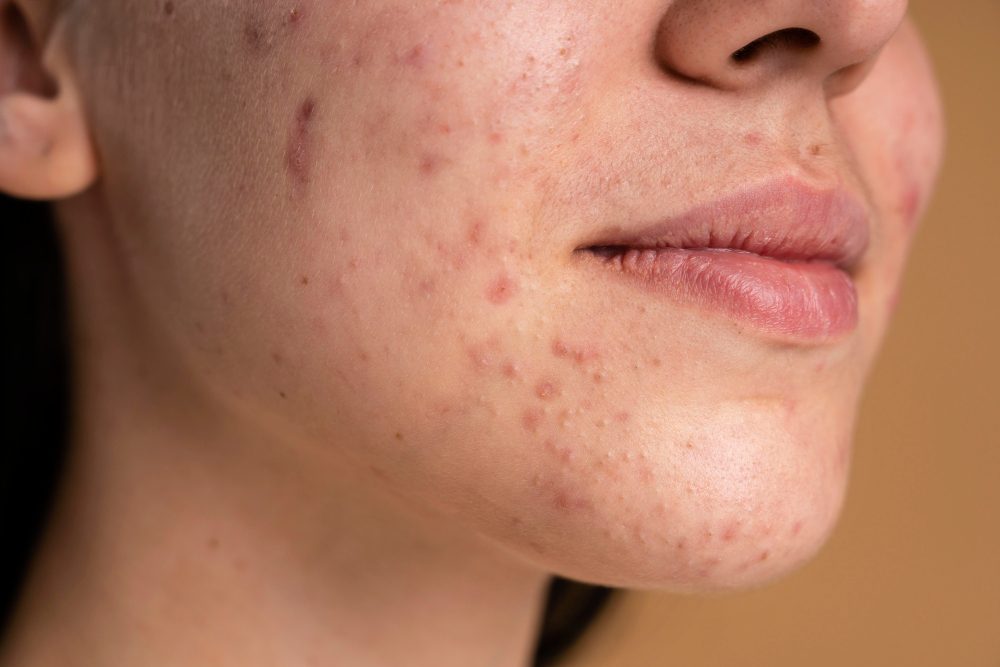
Acne Treatment in Hyderabad: How Humidity, Diet and Indian Skin Affect Your Breakouts
8 min read
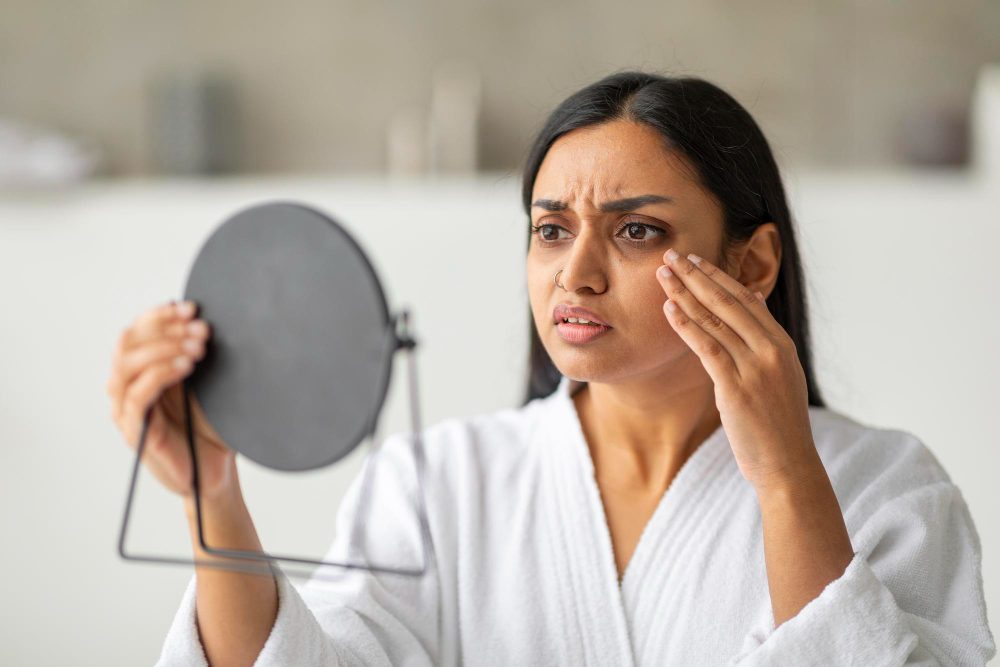
Dark Circles Treatment in Hyderabad: Causes, Clinical Options and What Actually Works
8 min read
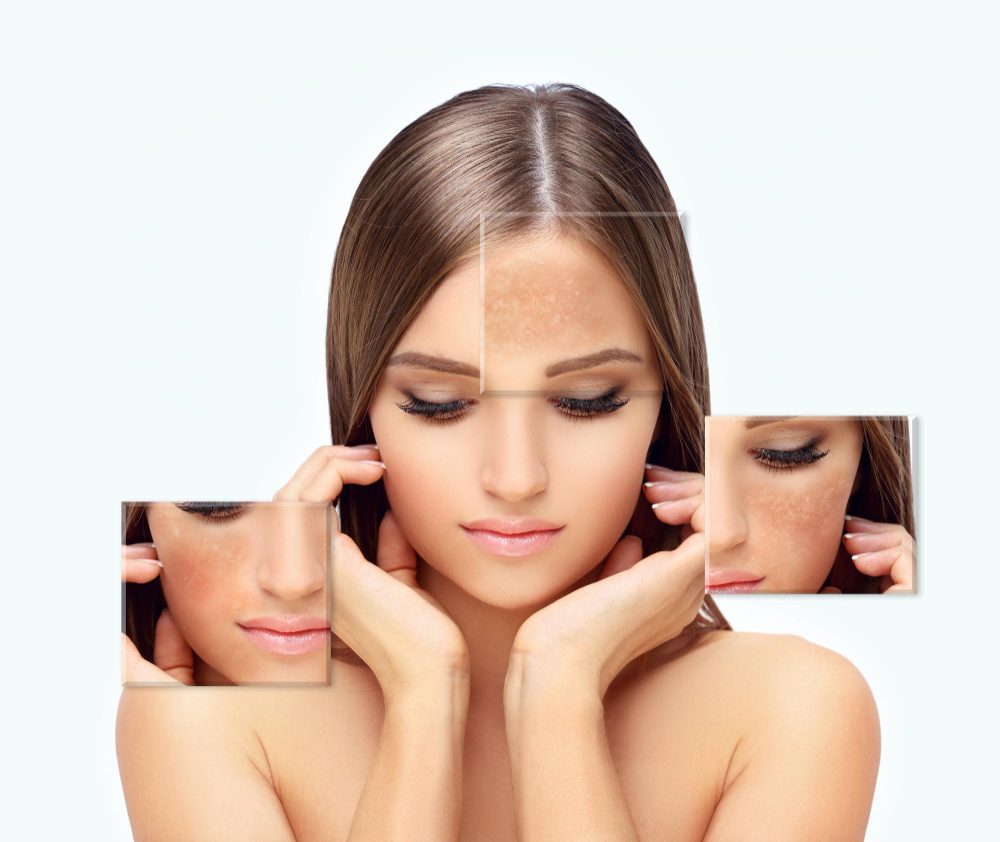
Melasma vs Hyperpigmentation in Hyderabad: How to Tell the Difference and Treat Each
9 min read