By Dr. Spandana P — M.B.B.S, M.D. Dermatology, Venereology & Leprology | ORA Skin & Hair Clinics, Kondapur | July 2026
Every week at our Kondapur clinic, I see the same scenario: someone comes in with a handful of brightening products they've been using for months — Vitamin C, kojic acid, niacinamide — and their patches haven't shifted. Sometimes they're darker. When I look at their skin, the reason is immediately obvious: they have melasma, not post-inflammatory hyperpigmentation. They've been treating the wrong condition.
This is not a small distinction. Melasma and hyperpigmentation require different diagnosis methods, different treatments, and — critically — different expectations. If a clinic or a consultation doesn't separate these two before prescribing anything, they're guessing. Here's what actually differentiates them.
What Is Melasma? (And Why It's Harder to Treat)
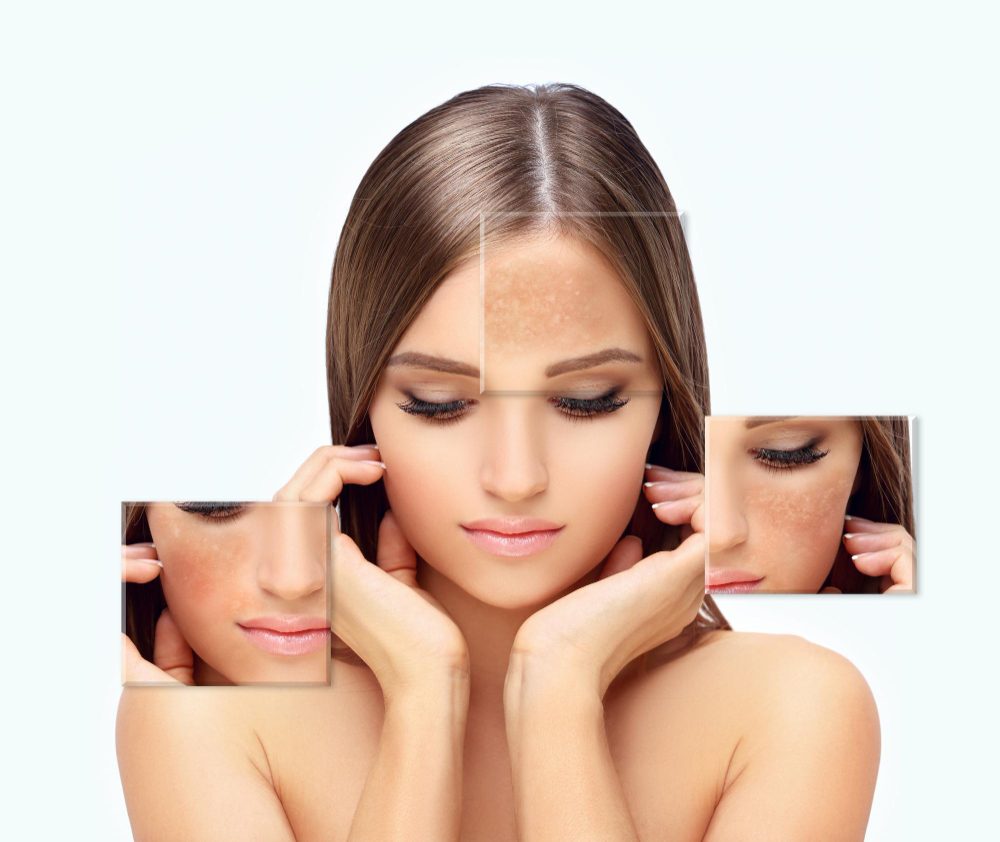
Melasma is a chronic pigmentation disorder triggered by UV light, heat, and oestrogen — not by injury or inflammation. It is not a skin reaction. It is a hormonal and photosensitivity disorder that causes melanocytes (pigment cells) to become chronically overactive. According to a study published in the Indian Journal of Dermatology, Venereology and Leprology, melasma affects up to 40% of women in South Asian populations — significantly higher than in Western nations — due to both higher UV exposure and genetic melanocyte density.
The key clinical features of melasma: symmetric patches on cheeks, forehead, upper lip; brown to grey-brown colour; worsens in summer; common in women aged 25–45; frequently associated with oral contraceptive use or pregnancy.
Critically: melasma often extends into the dermis (deep skin layer), not just the epidermis. This is why surface brightening creams frequently fail — they can't reach dermal melanin. I confirm pigmentation depth using a Wood's Lamp before prescribing anything for melasma at ORA.
What Is Post-Inflammatory Hyperpigmentation (PIH)?
Post-inflammatory hyperpigmentation (PIH) is a pigmentation reaction to skin injury or inflammation. Acne lesions, cuts, chemical burns, laser treatments, or any trauma that damages skin can leave behind a dark mark. PIH is the skin's repair response — excess melanin deposited at the injury site during healing. Unlike melasma, PIH is usually epidermal (surface-level), has an irregular shape that corresponds to the original injury, and does not follow hormonal patterns. It also tends to fade on its own over 6–18 months if the trigger is removed. Published guidance in the Journal of the American Academy of Dermatology (2023) confirms that PIH without UV protection fades significantly slower than PIH with consistent SPF 50+.
The Test Most People Skip: How to Tell Them Apart
Three questions I ask every pigmentation patient in my first consultation at ORA:
- When did it appear, and was there an injury or inflammation beforehand? PIH follows a trigger event. Melasma appears gradually without one.
- Is it symmetric? Melasma appears on both sides of the face simultaneously. PIH follows the location of the original injury.
- Does it get worse in summer? Melasma almost always does. PIH is less directly sun-reactive, though UV slows fading.
For borderline cases, I use a Wood's Lamp — a UV light that makes epidermal melanin glow bright under examination. Epidermal melasma accentuates under Wood's Lamp. Dermal melasma does not. This tells me exactly what depth I'm treating before I prescribe anything.
Why the Wrong Diagnosis Costs You 6–12 Months
Treating PIH with a melasma protocol (e.g., hydroquinone + tretinoin for 3 months) often works — it speeds up PIH fading because PIH is epidermal. But treating melasma with a PIH protocol (light exfoliants, Vitamin C) frequently fails — you're targeting the surface when the problem sits in the dermis. I've had patients who spent 18 months on salon brightening facials for what turned out to be dermal melasma. Facials can't reach the dermis. No topical at salon concentration can.
ORA's Pigmentation Treatment Protocol
- Diagnosis first (visit 1): Wood's Lamp + dermoscopy to classify type (melasma/PIH) and depth (epidermal/dermal/mixed).
- Trigger identification: For melasma — review OCP use, pregnancy history, sun exposure habits. For PIH — identify and stop the inflammatory trigger (active acne treated first).
- Sunscreen protocol: SPF 50+ PA++++ physical sunscreen mandatory for both conditions. Reapplied every 2 hours outdoors. In Hyderabad's UV index 9–11, this is non-negotiable regardless of which condition you have.
- Melasma path: Prescription triple combination (hydroquinone 4% + tretinoin 0.05% + mild corticosteroid) for 8–12 weeks, or oral tranexamic acid 250 mg twice daily for hormonally driven cases. Q-Switch Nd:YAG laser at low fluence for dermal component.
- PIH path: Glycolic or mandelic acid chemical peels (series of 4–6), topical azelaic acid or niacinamide, retinoid at night. Q-Switch reserved for stubborn PIH unresponsive to topicals after 3 months.
- Maintenance: Both conditions require long-term sunscreen. Melasma has a recurrence rate exceeding 80% without UV protection (published data: Dermatologic Surgery, Kauvar 2012).
Why Patients Come to ORA from Gachibowli, Madhapur, and Jubilee Hills for Pigmentation
ORA Skin & Hair Clinics at Kondapur is one of the few clinics in Hyderabad's western corridor that runs Wood's Lamp analysis as a standard first-consultation step — not an optional add-on. Patients come from Gachibowli, Madhapur, HITEC City, and Jubilee Hills specifically because they've had pigmentation misdiagnosed elsewhere. Every consultation is conducted by Dr. Spandana P (M.D. Dermatology) directly. We're rated 4.9★ on Google by verified clients.
If You're Comparing Clinics for Pigmentation Treatment in Hyderabad
Ask every clinic these three questions before booking:
- "Do you use a Wood's Lamp before prescribing?" Without this, epidermal vs dermal distinction is a guess.
- "Do you treat melasma and PIH with different protocols?" If the answer is the same brightening prescription for both, the diagnosis wasn't made.
- "What's your maintenance plan after clearing?" Pigmentation, especially melasma, needs ongoing management. There is no single-treatment fix.
At ORA: yes to all three. 👉 ORA pigmentation protocol →
Frequently Asked Questions
Can I use the same cream for both melasma and PIH?
Hydroquinone-based creams affect both, but the response timelines and expectations are different. For PIH, a lighter brightening protocol often works within 8–12 weeks. For dermal melasma, topicals alone frequently fail — you need laser or oral agents to address the depth. Using one cream for both and expecting the same result is the most common treatment mistake I see.
How long does it take to clear melasma at ORA?
Epidermal melasma with consistent sunscreen compliance typically shows 50–60% improvement in 8–12 weeks of topical treatment. Mixed-type melasma requiring Q-Switch laser takes 4–6 months and 6–8 sessions. Dermal-dominant cases take longest. I won't estimate your timeline until the Wood's Lamp tells me what depth we're treating.
Does pregnancy-related melasma (chloasma) go away on its own?
Often, yes — partially. Most pregnancy melasma improves after delivery and cessation of breastfeeding, but it rarely clears completely without treatment. And in Hyderabad's UV environment, without consistent SPF 50+ it frequently worsens post-delivery even after hormones normalise. I recommend starting a physical sunscreen during pregnancy rather than waiting for it to clear on its own.
ORA Skin & Hair Clinics | 3rd Floor, Avalon Court, Camelot Layout, Botanical Garden Road, Kondapur, Hyderabad 500084 | Mon–Sun 9 AM–8 PM | Rated 4.9★ on Google | Book free consultation → | Up to 25% off first visit
Book Your Free Skin / Hair Analysis
A thorough assessment worth ₹1,500 — completely free. No obligation. No pressure. Just answers. Up to 25% Off on your first visit session.
Dr. Spandana P
Dr. Spandana P holds an MD in Dermatology, Venereology & Leprology and is the lead dermatologist at ORA Skin & Hair Clinics, Kondapur. She specialises in pigmentation disorders including melasma, post-inflammatory hyperpigmentation, and sun damage for Indian skin.
Consult with Experts →Related Articles
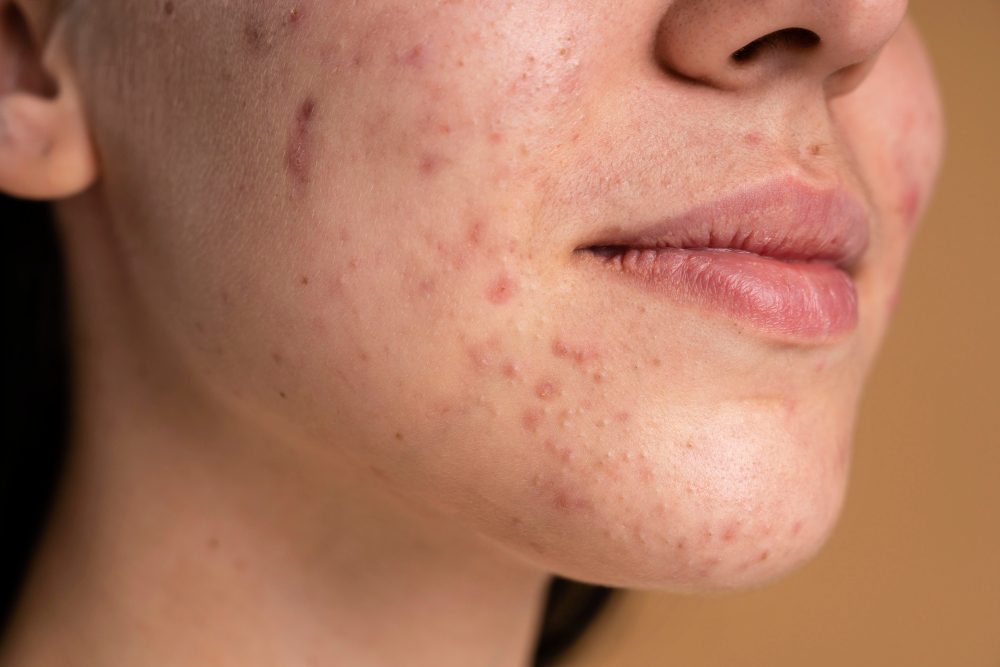
Acne Treatment in Hyderabad: How Humidity, Diet and Indian Skin Affect Your Breakouts
8 min read
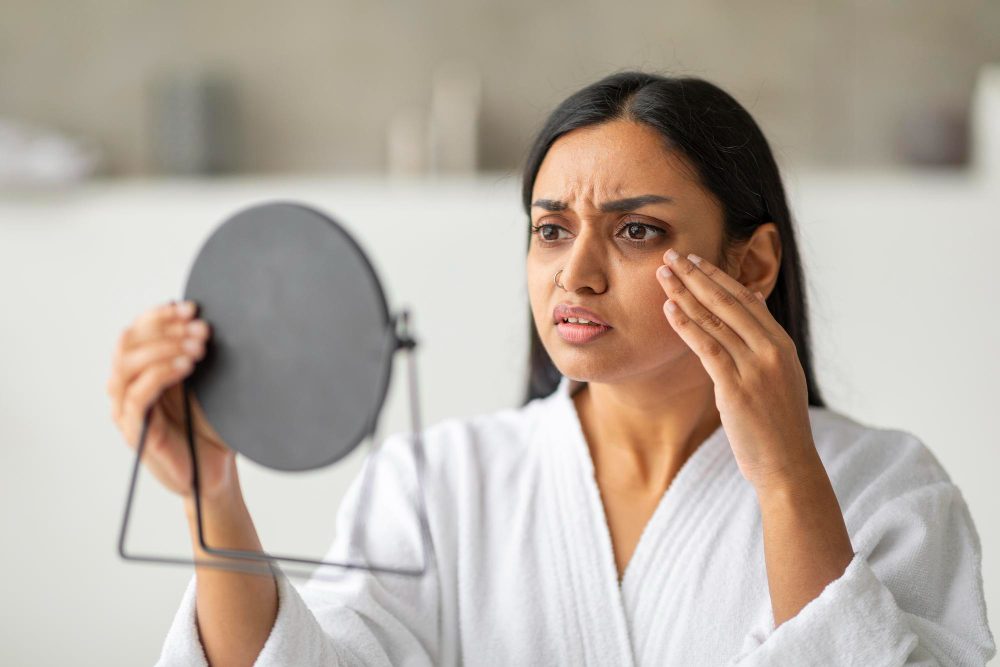
Dark Circles Treatment in Hyderabad: Causes, Clinical Options and What Actually Works
8 min read
Acne Treatment in Hyderabad: What Actually Works (2026 Complete Guide)
8 min read