
By Dr. Spandana P — M.B.B.S, M.D. Dermatology, Venereology & Leprology | ORA Skin & Hair Clinics, Kondapur, Hyderabad | Published June 2026
Melasma is the one condition I treat where I always begin the consultation with a warning: there is no cure, only management. I say this not to discourage patients — the results we achieve at ORA are significant and sustained — but because patients who understand this upfront have far better long-term outcomes than patients who expect a permanent fix. Melasma is a chronic condition that requires an ongoing relationship between the patient's sun behaviour, hormonal profile, and treatment maintenance. When that relationship is well-managed, melasma can be kept virtually invisible. When it is not — when sunscreen is skipped, or treatment is abandoned — it returns.
What Is Melasma?
Melasma is a form of hyperpigmentation caused by overactivation of melanocytes — the skin's pigment-producing cells. It presents as symmetrical brown or grey-brown patches, most commonly on the cheeks, forehead, upper lip, nose bridge, and chin. It is closely associated with:
- UV exposure: The primary trigger. Even brief sun exposure can darken melasma patches significantly in Indian skin.
- Hormonal changes: Pregnancy (chloasma), oral contraceptives, thyroid imbalance, and hormone replacement therapy all trigger or worsen melasma.
- Genetics: Melasma runs in families, particularly in South Asian populations. If your mother had it, your lifetime risk is substantially higher.
- Heat: Hyderabad's high ambient temperatures — even without direct UV — can trigger heat-induced melasma, particularly in patients with a strong hormonal component.
Why Melasma Is Particularly Challenging in Hyderabad
Indian skin (Fitzpatrick III–VI) has a higher baseline melanin content, making it more reactive to both UV triggers and aggressive treatment. Hyderabad's year-round sunshine — with UV Index of 6–9 for 8+ months of the year — creates a near-constant trigger environment. Additionally, the city's humidity causes many patients to resist heavy sunscreen, resulting in inadequate UV protection between treatments.
At our Kondapur clinic, I consistently find that melasma management in Hyderabad patients requires 30–40% more sessions than the same condition in patients from cooler, less UV-intense cities — because the environmental re-triggering is more aggressive. Sunscreen is not just an afterthought in our protocol. It is the most important part of it.
How I Classify Melasma — Why It Changes the Treatment
Not all melasma responds to the same treatment. At ORA, I classify every melasma case before starting treatment:
- Epidermal melasma: Superficial — affects only the upper skin layers. Appears as well-defined brown patches. Responds well to chemical peels, topical depigmenting agents, and Q-Switch laser. Wood's lamp shows enhanced contrast in epidermal melasma (it glows).
- Dermal melasma: Deep — melanin deposited in the dermis below the epidermis. Appears as blue-grey patches. Slower to treat. Requires multiple Q-Switch sessions. More resistant to peels.
- Mixed melasma: Most common in Indian patients — combination of superficial and deep components. Requires combination treatment: peels for the epidermal layer, Q-Switch for the dermal component.
This classification is done using Wood's lamp examination — a 2-minute assessment that significantly changes the treatment protocol. Applying a strong chemical peel to dermal melasma, for instance, risks PIH without meaningful improvement in the deeper pigment. I see this mistake frequently in patients referred to ORA from other clinics.
Melasma Treatment Options at ORA, Kondapur
Chemical Peels for Melasma
Kojic acid + mandelic acid or lactic acid + glycolic acid peels are my preferred peel combination for epidermal melasma in Indian skin. Mandelic acid's larger molecular size reduces the risk of PIH — a critical consideration when treating skin that is already prone to over-pigmentation. A standard peel protocol for melasma is 6–8 sessions spaced 2–3 weeks apart.
Q-Switch Nd:YAG Laser for Melasma
Low-fluence Q-Switch (also called "toning" protocol) delivers sub-ablative energy to the skin at 1064nm, targeting melanin deposits in both epidermal and dermal layers without causing surface damage. This is particularly effective for the dermal component of mixed melasma — the component that does not respond to peels alone. At ORA, I use Q-Switch toning for melasma as an adjunct to peels, not as a standalone treatment, for optimal results with minimal PIH risk.
According to a 2021 study in the Journal of the American Academy of Dermatology, combination chemical peel + low-fluence Q-Switch laser produced 65–75% improvement in modified MASI (Melasma Area and Severity Index) scores in Indian patients compared to 40–45% with peels alone at the 12-week assessment.
Prescription Topical Protocol
Every ORA melasma patient receives a written home care prescription. The standard protocol includes: SPF 50+ broad-spectrum (applied and reapplied every 3 hours when outdoors), prescription-strength tyrosinase inhibitors (modified hydroquinone formulation or tranexamic acid), and tretinoin to accelerate cellular turnover and prevent melanin accumulation.
How Many Sessions and What Is the Cost?
The honest answer depends on your melasma type, severity, and how consistently you follow the home care protocol:
- Mild epidermal melasma: 6 peel sessions + home care → significant improvement in 12–16 weeks
- Moderate mixed melasma: 6 peels + 4–6 Q-Switch sessions → 12–20 weeks for significant improvement
- Severe dermal melasma: Extended protocol, 6+ months, with realistic expectation of 50–70% improvement rather than clearance
A written treatment plan with full cost breakdown is provided after your first consultation. There are no packages that must be pre-paid in full upfront at ORA — you pay per session.
Preventing Melasma Recurrence in Hyderabad
Melasma recurrence is almost guaranteed if sun protection lapses. At our Kondapur clinic, I give every melasma patient the same maintenance protocol post-treatment:
- SPF 50+ every morning, reapplied every 3 hours if outdoors — non-negotiable
- Wide-brim hat and UV-protective clothing when in direct sun — especially during Hyderabad's March–October peak UV season
- Maintenance peel every 8–12 weeks to prevent pigment re-accumulation
- Annual review of hormonal triggers (contraceptive type, thyroid levels) — particularly important for women whose melasma is hormonally driven
Why Patients from Gachibowli, Madhapur, and HITEC City Choose ORA for Melasma
ORA Skin & Hair Clinics is rated 4.9★ on Google by 500+ patients. Patients from Gachibowli, Madhapur, HITEC City, Banjara Hills, and Jubilee Hills choose ORA for melasma because I perform a Wood's lamp classification before every new melasma case — ensuring the treatment protocol matches the actual pigment depth. ORA is one of the very few clinics in Kondapur that includes Wood's lamp examination as a standard part of every melasma consultation.
If You're Comparing Melasma Treatment Clinics in Hyderabad
- "Do you use Wood's lamp to classify melasma depth before recommending treatment?"
- "What is the risk of PIH from your peel protocol, and how do you manage it?"
- "Do you provide a written home care prescription alongside clinic treatment?"
- "What is your protocol for preventing recurrence after treatment completion?"
Frequently Asked Questions
Can melasma be permanently cured?
No — melasma is a chronic condition. It can be effectively managed to the point of being virtually invisible, but the underlying tendency for melanocytes to overproduce pigment when triggered by UV or hormones remains. Ongoing sun protection and periodic maintenance treatment are necessary to keep it controlled. Patients who understand this have much better long-term outcomes than those expecting a one-time cure.
Is melasma treatment safe during pregnancy?
Many melasma treatments — including topical hydroquinone, retinoids, and peels — are not recommended during pregnancy. The safest approach during pregnancy is strict sun protection (SPF 50+ and physical coverage). Post-delivery, with hormonal levels stabilising, melasma often fades significantly on its own before treatment becomes necessary. I advise waiting 3 months post-delivery and post-breastfeeding before beginning active treatment.
Does stress worsen melasma?
Indirectly yes. Chronic stress elevates cortisol, which influences melanocyte activity in some patients. More directly, stress often leads to sleep deprivation and lapses in skincare discipline — both of which worsen melasma. Managing stress is a meaningful part of melasma management in high-stress, urban IT-corridor patients.
Which sunscreen is best for melasma in Hyderabad?
I recommend a hybrid (chemical + physical/mineral) broad-spectrum SPF 50+ with UVA-PF ≥ 16 (PA+++ or higher in the Indian rating system). Tinted mineral sunscreens provide additional protection against visible light, which some studies suggest contributes to melasma in patients with a strong blue-light sensitivity.
Book Your Melasma Consultation at ORA, Kondapur
ORA Skin & Hair Clinics — 3rd Floor, Avalon Court, Camelot Layout, Botanical Garden Road, Kondapur, Hyderabad 500084.
Rated 4.9★ on Google by 500+ patients.
Book online or WhatsApp 919989361555.
Book Your Free Skin / Hair Analysis
A thorough assessment worth ₹1,500 — completely free. No obligation. No pressure. Just answers. Up to 40% Off on your first visit session.
Dr. Spandana P
Dr. Spandana P is a qualified dermatologist at Ora Skin Clinics, Kondapur, with an M.B.B.S and M.D. in Dermatology, Venereology & Leprology. She specialises in advanced skin and hair treatments — bringing a clinical, evidence-based approach to every consultation.
Consult with Experts →Related Articles
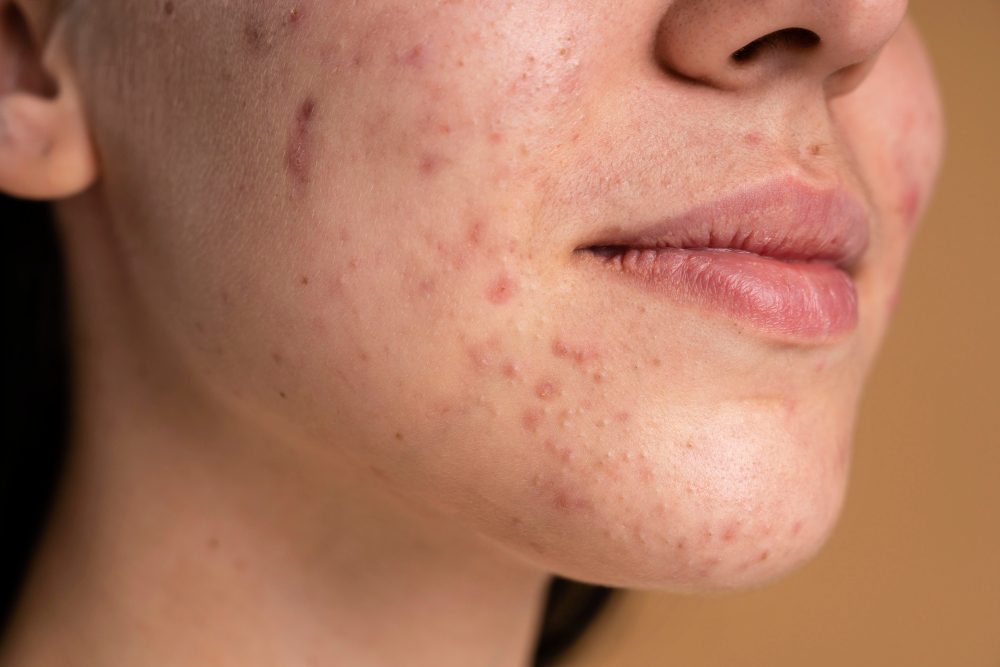
Acne Treatment in Hyderabad: How Humidity, Diet and Indian Skin Affect Your Breakouts
8 min read
Dark Circles Treatment in Hyderabad: Causes, Clinical Options and What Actually Works
8 min read
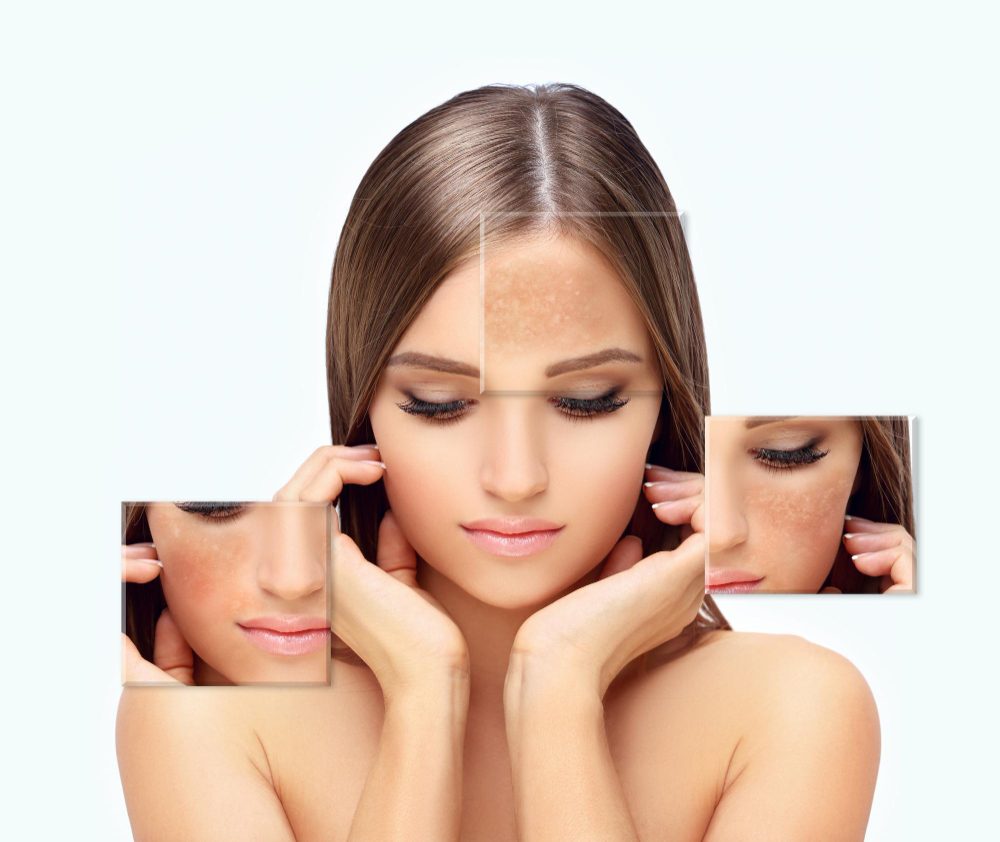
Melasma vs Hyperpigmentation in Hyderabad: How to Tell the Difference and Treat Each
9 min read