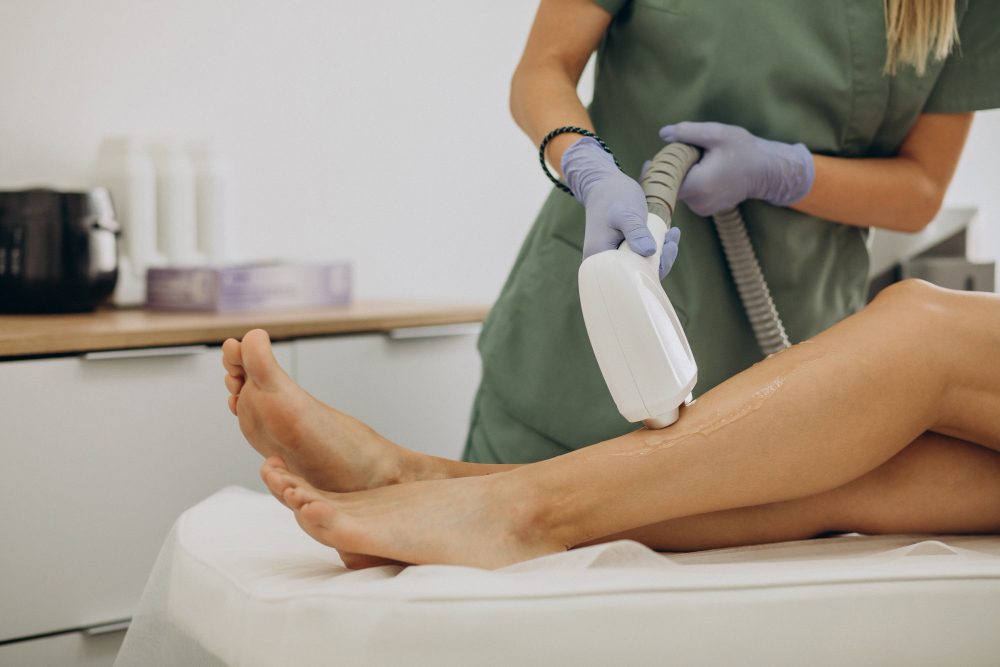
By Dr. Spandana P — M.B.B.S, M.D. Dermatology, Venereology & Leprology | ORA Skin & Hair Clinics, Kondapur | July 2026
The most common complaint I hear from patients who've had laser hair removal elsewhere: "It worked for a few sessions, then the hair came back." Sometimes the hair barely reduced at all. Almost every time, the reason is the same — the wrong laser was used for Indian skin, or the settings weren't calibrated for their skin tone. This is not a minor technical detail. It's the single biggest variable that determines whether laser hair removal actually works for you.
Here's what you need to know before booking anywhere in Hyderabad.
Why Indian Skin Changes Everything About Laser Hair Removal
Laser hair removal works by targeting melanin in the hair follicle with a specific wavelength of light. The problem with Indian skin (Fitzpatrick types III–V): the skin itself contains significant melanin. The wrong laser wavelength doesn't distinguish well between the melanin in the hair and the melanin in the surrounding skin — which causes two problems. First, the laser energy is absorbed by the skin before it reaches the follicle, reducing efficacy. Second, the heat in the skin itself can cause post-inflammatory hyperpigmentation (PIH) — dark spots where the laser fired.
This is why laser types matter. The Nd:YAG 1064 nm laser has the lowest melanin absorption of any hair removal laser — it passes through the skin's melanin with minimal absorption and targets the deeper follicle directly. A 2021 systematic review published in Lasers in Surgery and Medicine confirmed Nd:YAG as the safest and most effective laser for Fitzpatrick III–V skin types. Alexandrite (755 nm) and IPL are designed for lighter skin and carry meaningful PIH risk on Indian skin at standard settings.
The Three Lasers — What They Mean for You in Hyderabad
Nd:YAG 1064 nm — Recommended for Indian Skin
Lowest melanin absorption, deepest follicle penetration, lowest PIH risk on Fitzpatrick III–V. Requires more sessions than Alexandrite (6–8 vs 4–6) but produces safe, consistent reduction. At ORA, we use Nd:YAG calibrated specifically for the Hyderabad population's skin tone distribution — which skews Fitzpatrick III–IV even among lighter-complexioned patients due to year-round UV exposure.
Diode 810 nm — Acceptable for Fitzpatrick III with Caution
Intermediate melanin absorption. Works safely on Fitzpatrick III skin in experienced hands with appropriate cooling. Not recommended for Fitzpatrick IV–V without significant parameter adjustment. I use diode for specific body areas on lighter-toned patients only, never as a default for face treatments.
IPL (Intense Pulsed Light) — Not Recommended for Most Indian Patients
IPL is not a laser — it's a broad-spectrum light source. Broad spectrum means broad melanin interaction, which translates to unpredictable heating in darker skin. I don't recommend IPL for facial laser hair removal on Indian skin. I've had patients come to me after IPL burns and post-treatment PIH from other clinics. The Nd:YAG avoids this entirely.
How Many Sessions Do You Actually Need?
Hair grows in cycles: anagen (active), catagen (transitional), telogen (resting). Laser hair removal only destroys follicles in the active anagen phase. At any given time, roughly 20–30% of your hair is in anagen. This is why multiple sessions are non-negotiable — you're catching a different 20–30% each time.
At ORA, our standard protocol for Nd:YAG on Indian skin: 6–8 sessions spaced 4–6 weeks apart for facial hair, 6–8 weeks for body. After a full course, most patients see 80–90% permanent reduction. The remaining hair is typically finer and lighter. A maintenance session once every 12–18 months keeps results stable for most patients.
One Hyderabad-specific factor: sun exposure between sessions. With UV index 9–11 from April to September, I tell every patient to avoid direct sun 2 weeks before and after each session and to apply SPF 50+ daily. Post-laser skin is more photosensitive. Missing this step is the most common reason patients develop PIH after sessions.
ORA's Laser Hair Removal Protocol
- Fitzpatrick skin typing (visit 1): We classify your exact skin tone using the Fitzpatrick scale to determine the correct laser and settings. This is not optional — it happens before the first session.
- Test patch (first session): We always test a small area at calibrated settings before treating the full area. 48 hours of observation before proceeding.
- Nd:YAG with dynamic cooling: Our laser system includes integrated cooling to protect the skin surface during treatment. This reduces discomfort and PIH risk simultaneously.
- Session spacing based on body area: Face and underarms: 4–5 weeks. Legs and back: 6–8 weeks. We track hair cycle response between sessions and adjust spacing if needed.
- Post-session protocol: Prescribed sunscreen, no heat exposure (gym, sauna, hot showers) for 48 hours, specific aftercare depending on area treated.
Why Patients Come to ORA from HITEC City, Madhapur, and Gachibowli
ORA Skin & Hair Clinics at Kondapur is one of the few clinics in Hyderabad's western corridor that uses Nd:YAG exclusively for Indian skin hair removal and calibrates settings per individual Fitzpatrick type — not per a device manual written for European skin. Patients come from HITEC City, Madhapur, Gachibowli, Manikonda, and Miyapur because they've had poor results or skin reactions elsewhere and want a protocol built for their actual skin. Rated 4.9★ on Google. Every session overseen by Dr. Spandana P directly. 👉 ORA laser hair removal →
If You're Comparing Laser Hair Removal Clinics in Hyderabad
Before booking anywhere, ask:
- "Which laser do you use for Indian skin?" If the answer is IPL or Alexandrite as the default, ask why. Nd:YAG is the evidence-backed choice for Fitzpatrick III–V.
- "Do you do a Fitzpatrick skin assessment before starting?" No assessment = no personalised settings = higher PIH risk.
- "Do you do a test patch before the first full session?" Any clinic that skips this is taking a risk with your skin.
At ORA: yes to all three. 👉 Book a free consultation →
Frequently Asked Questions
Is laser hair removal permanent for Indian skin?
Laser hair removal produces permanent reduction, not 100% permanent removal for most people. After a full 6–8 session course, 80–90% of hair in the treated area is permanently destroyed. The remaining hair is usually finer and lighter. A maintenance session every 12–18 months manages any regrowth. Hormonal changes (pregnancy, PCOS, menopause) can reactivate some follicles — we discuss this during consultation so expectations are accurate.
How long does each session take at ORA?
Upper lip and chin: 10–15 minutes. Full face: 20–30 minutes. Underarms: 15 minutes. Full legs: 45–60 minutes. Full body: 90–120 minutes. You can return to work immediately after — there's no downtime. Avoid sun exposure and heat for 48 hours post-session.
I have PCOS — does laser hair removal still work?
Yes, but PCOS patients typically need more sessions (8–10 instead of 6–8) and may need periodic maintenance more frequently. PCOS drives ongoing androgen stimulation of follicles, which means new follicles can activate after treatment. We treat PCOS-related hair growth with Nd:YAG at our standard Indian skin protocol — it works well — but I set honest expectations upfront: maintenance is ongoing, not a one-time course.
ORA Skin & Hair Clinics | 3rd Floor, Avalon Court, Camelot Layout, Botanical Garden Road, Kondapur, Hyderabad 500084 | Mon–Sun 9 AM–8 PM | Rated 4.9★ on Google | Book free consultation → | Up to 25% off first visit
Book Your Free Skin / Hair Analysis
A thorough assessment worth ₹1,500 — completely free. No obligation. No pressure. Just answers. Up to 25% Off on your first visit session.
Dr. Spandana P
Dr. Spandana P holds an MD in Dermatology, Venereology & Leprology and is the lead dermatologist at ORA Skin & Hair Clinics, Kondapur. She specialises in laser treatments calibrated for Indian and South Asian skin tones.
Consult with Experts →Related Articles
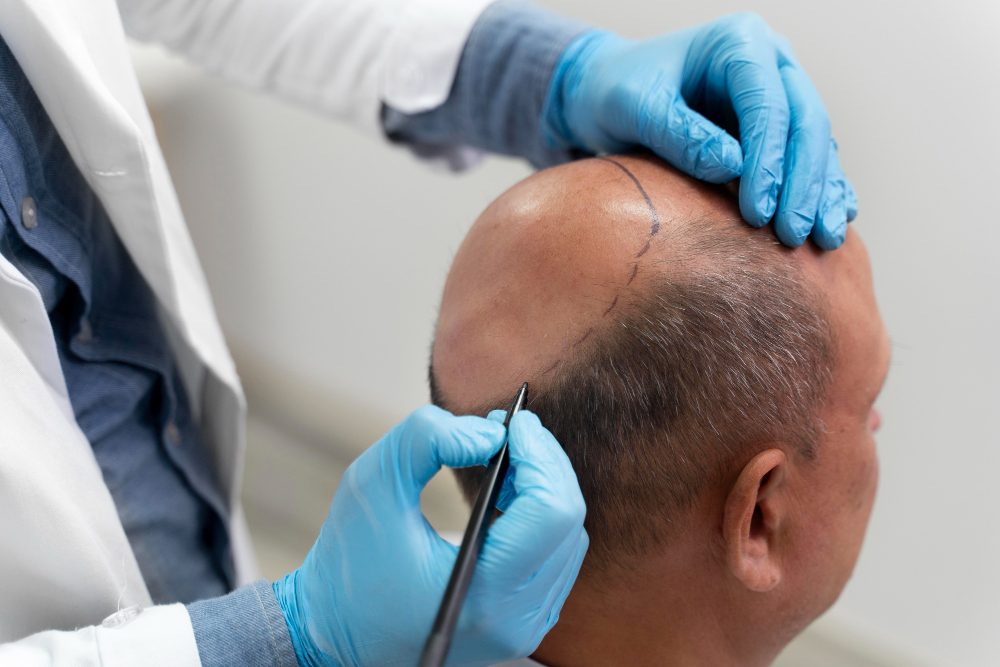
FUT vs FUE vs DHI Hair Transplant in Hyderabad — Which Technique Is Right for You?
9 min read
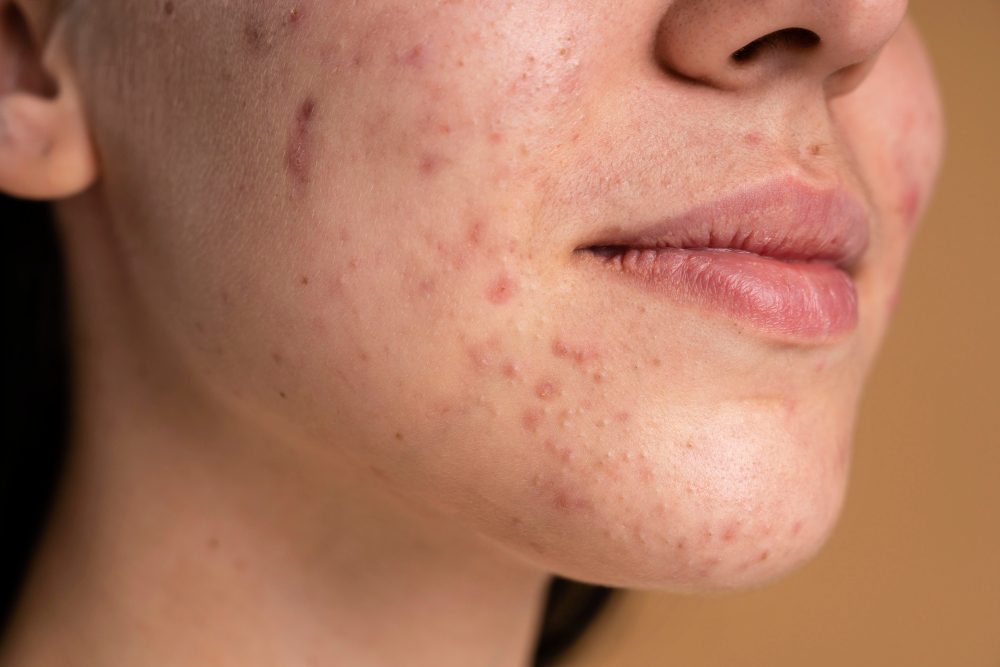
Acne Treatment in Hyderabad: How Humidity, Diet and Indian Skin Affect Your Breakouts
8 min read
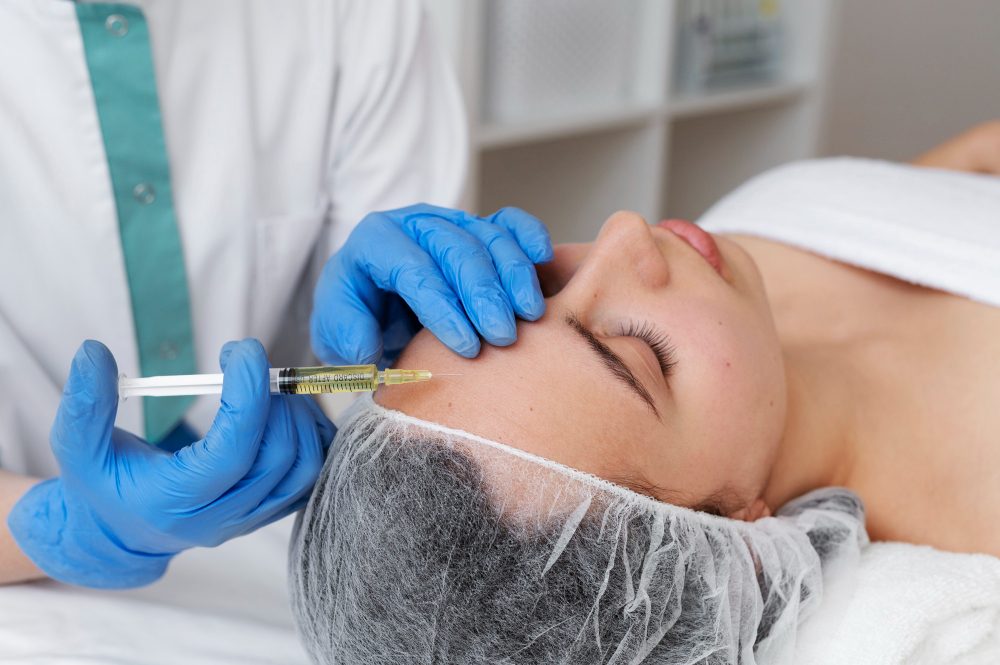
Exosome Hair Treatment in Hyderabad: The Science, What to Expect, and Real Results
7 min read