
By Dr. Spandana P — M.B.B.S, M.D. Dermatology, Venereology & Leprology | ORA Skin & Hair Clinics, Kondapur, Hyderabad | Published June 2026
Laser hair reduction is the area of aesthetic dermatology where I see the most preventable harm in Indian patients — not because the technology is dangerous, but because it is widely offered by clinics where the operator does not fully understand how Indian skin responds to laser energy. I have treated burns and post-inflammatory hyperpigmentation caused by IPL and incorrect diode settings at other clinics. Choosing the right clinic for LHR matters more than almost any other aesthetic decision you will make.
Why Indian Skin Requires a Different LHR Approach
Laser hair reduction works by targeting melanin — the pigment in hair follicles. When laser energy is absorbed by follicular melanin, it heats and destroys the follicle, preventing future growth. The challenge with Indian skin (Fitzpatrick Types III–VI) is that melanin is present not just in hair follicles but also in the surrounding skin. Lasers tuned to the wrong wavelength, or operated at incorrect parameters, will be absorbed by epidermal melanin — causing burns, PIH, or permanent pigmentation changes in one session.
According to the Journal of Dermatological Treatment (2023), adverse events from laser hair removal are 3–4 times more common in Fitzpatrick IV–VI skin compared to Fitzpatrick I–III skin, primarily due to inadequate operator training and inappropriate laser selection.
Which Laser Is Right for Indian Skin?
Diode Laser (808nm) — Gold Standard for Indian Skin
The 808nm diode laser is the gold standard for Indian skin (Fitzpatrick III–V). At 808nm, the wavelength is long enough to bypass much of the epidermal melanin and target deeper follicular melanin selectively. With proper cooling and energy calibration for your specific Fitzpatrick type, diode LHR is safe and effective across most Indian skin tones.
At ORA Skin & Hair Clinics, Kondapur, we use a medical-grade diode laser platform with integrated cooling and settings calibrated for Fitzpatrick III–VI. I adjust parameters for every patient based on skin tone, hair colour, body area, and recent sun exposure.
Nd:YAG Laser (1064nm) — For the Darkest Skin Tones
The 1064nm Nd:YAG laser is used for the darkest Indian skin tones (Fitzpatrick V–VI) where diode parameters must be very conservative. At 1064nm, laser energy is less efficiently absorbed by both epidermal and follicular melanin — meaning it is safer but requires more sessions. It is our laser of choice for patients with very dark skin, recent tan, or a history of PIH from previous treatments.
IPL — Why I Do Not Use It for Indian Skin
IPL (Intense Pulsed Light) is not a laser. It emits a broad spectrum of light rather than a single coherent wavelength. This makes it impossible to precisely target follicular melanin without simultaneously heating epidermal melanin in Indian skin. IPL significantly increases the risk of burns and PIH in Fitzpatrick III+ skin. At ORA, we do not use IPL for hair reduction in Indian patients.
How Many LHR Sessions Will You Need in Hyderabad?
Hair grows in cycles. Laser energy only destroys follicles in the active growth (anagen) phase. Since only 20–30% of follicles are in anagen at any time, multiple sessions are always required.
- Face (upper lip, chin, sideburns): 6–8 sessions, spaced 4–6 weeks apart
- Underarms: 6–8 sessions, spaced 4–6 weeks apart
- Bikini / Brazilian: 8–10 sessions, spaced 4–8 weeks apart
- Full legs: 8–12 sessions, spaced 6–8 weeks apart
- Back and chest (men): 8–12 sessions, spaced 6–8 weeks apart
In Hyderabad's climate, I advise patients to avoid LHR sessions between April and June (peak sun exposure) unless they can commit to absolute sun avoidance for 48 hours pre and post each session. UV exposure immediately before or after LHR significantly increases the risk of PIH.
What Determines Your LHR Results?
The three factors that most determine LHR outcomes in Indian patients:
- Contrast between hair colour and skin tone: Dark hair on lighter Indian skin (Fitzpatrick III–IV) responds best. Very dark skin with very dark hair requires more conservative settings, more sessions, and lower per-session efficacy.
- Laser quality and calibration: Medical-grade platforms with consistent energy delivery outperform cheaper alternatives. At ORA, we use FDA-cleared equipment only.
- Operator expertise: Parameters must be adjusted for each patient, each session, and each body area. This requires dermatologist oversight — not just technician operation.
At ORA's Kondapur Clinic — Our LHR Protocol
- Patch test: Every new patient receives a patch test on a small area 48 hours before the first full session to assess skin response.
- Parameter setting: I personally review your Fitzpatrick type and recent sun exposure before each session and adjust laser settings accordingly.
- Cooling: Our diode platform has integrated contact cooling to protect the epidermis during each pulse.
- Post-treatment: Soothing gel applied immediately post-session. SPF 50+ applied before you leave the clinic. No sun exposure for 48 hours post-treatment.
- Review: Progress photographed at sessions 4 and 8 to assess response and adjust protocol.
Why Patients from Gachibowli, Madhapur, and Kondapur Trust ORA for LHR
ORA Skin & Hair Clinics is rated 4.9★ on Google by 500+ patients. Patients from Gachibowli, Madhapur, HITEC City, Manikonda, and Banjara Hills choose ORA for LHR because every session is conducted under dermatologist supervision — not delegated entirely to a beauty therapist. Laser hair reduction on Indian skin is a medical procedure, not a beauty treatment. We treat it as one.
ORA is one of the very few clinics in Kondapur that requires a patch test before the first LHR session and performs a Fitzpatrick assessment at every visit before adjusting laser parameters. This adds 5 minutes to your appointment and significantly reduces the risk of adverse events.
If You're Comparing LHR Clinics in Hyderabad
Before booking, ask any clinic:
- "Which laser platform do you use — diode, Nd:YAG, or IPL?"
- "Do you perform a patch test before the first session?"
- "Who sets the laser parameters — a dermatologist or a technician?"
- "What is your protocol if I develop post-treatment hyperpigmentation?"
Frequently Asked Questions
Is laser hair reduction permanent?
LHR produces a significant and long-lasting reduction in hair density — not always 100% permanent. Most patients achieve 80–90% reduction after a full course. Some maintenance sessions (1–2 per year) may be needed to address follicles that were not in the anagen phase during treatment sessions.
Is LHR safe during pregnancy?
No. Laser hair reduction is not recommended during pregnancy or breastfeeding. The safety data in pregnant women is insufficient, and hormonal changes during pregnancy often stimulate new hair growth anyway. Resume LHR 3 months after delivery and after completing breastfeeding.
Can I get LHR if I have PCOS?
Yes, but with modified expectations. PCOS-related hair growth is driven by elevated androgens — and as long as the hormonal imbalance continues, new follicles may activate. LHR is still highly effective in reducing existing hair. I recommend pairing it with medical management of PCOS for best long-term results.
What is the cost of laser hair reduction at ORA, Kondapur?
LHR pricing at ORA is per session, per area. Pricing is provided transparently at your initial consultation after a skin assessment. Package pricing for 6 or 8 sessions is available with a cost advantage over per-session pricing.
Book Your LHR Patch Test at ORA, Kondapur
ORA Skin & Hair Clinics — 3rd Floor, Avalon Court, Camelot Layout, Botanical Garden Road, Kondapur, Hyderabad 500084.
Rated 4.9★ on Google by 500+ patients.
Book online or WhatsApp 919989361555.
Book Your Free Skin / Hair Analysis
A thorough assessment worth ₹1,500 — completely free. No obligation. No pressure. Just answers. Up to 40% Off on your first visit session.
Dr. Spandana P
Dr. Spandana P is a qualified dermatologist at Ora Skin Clinics, Kondapur, with an M.B.B.S and M.D. in Dermatology, Venereology & Leprology. She specialises in advanced skin and hair treatments — bringing a clinical, evidence-based approach to every consultation.
Consult with Experts →Related Articles
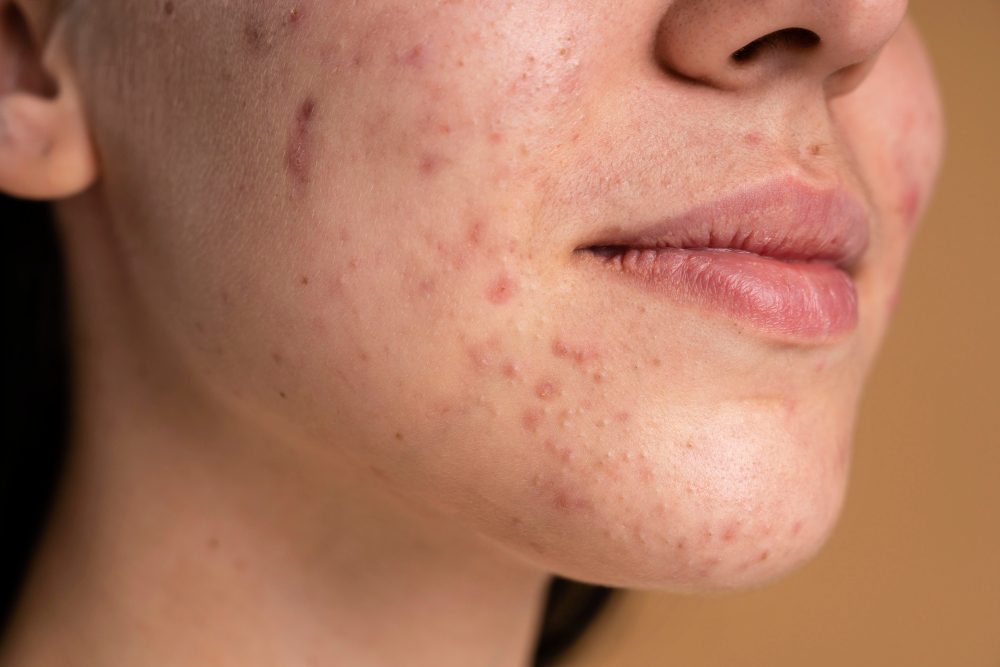
Acne Treatment in Hyderabad: How Humidity, Diet and Indian Skin Affect Your Breakouts
8 min read
Dark Circles Treatment in Hyderabad: Causes, Clinical Options and What Actually Works
8 min read
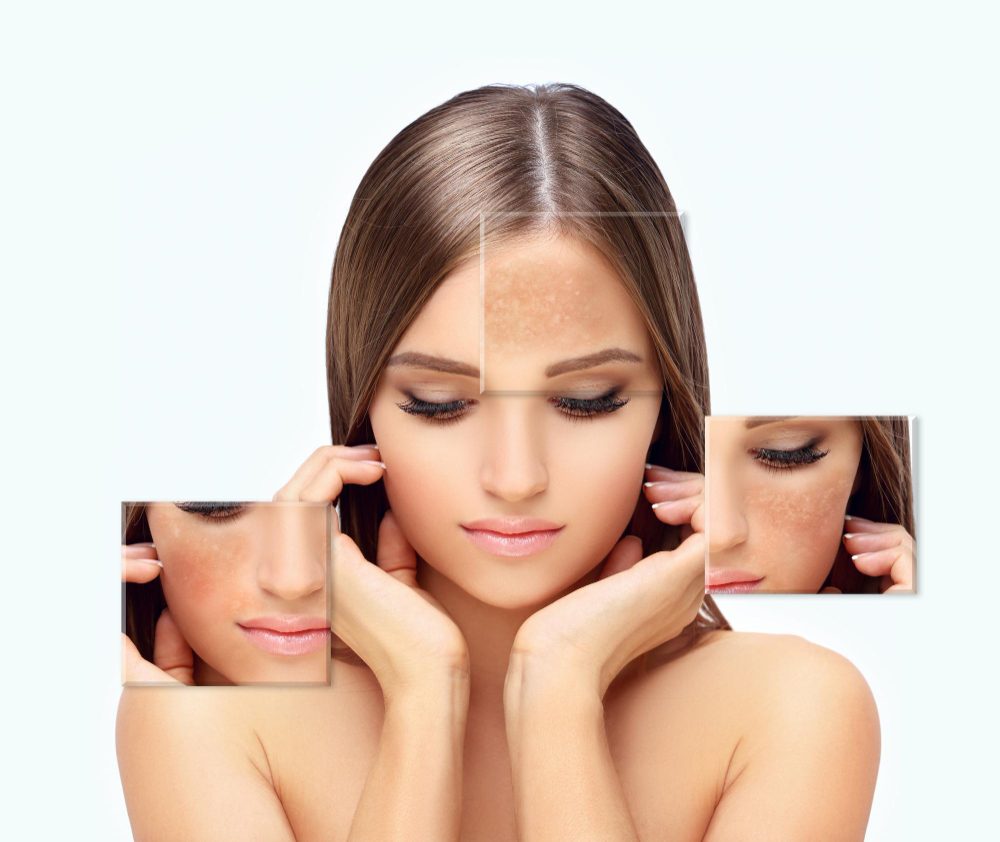
Melasma vs Hyperpigmentation in Hyderabad: How to Tell the Difference and Treat Each
9 min read