At ORA, the most consistent pattern we see with female hair loss is this: a patient has been applying hair oils, changing shampoos, and trying clinic after clinic for 18 months — before anyone has run a single blood test. The hair keeps falling. The trigger was never found.
Women's hair loss in Hyderabad is different from men's — and yet most treatment protocols here are designed around men. The result is a large number of women receiving the wrong treatment for the wrong reason. This guide explains what actually causes hair loss in women, how ORA approaches it, and what treatments are genuinely evidence-backed.
Why Female Hair Loss Is Different
Male hair loss is overwhelmingly genetic — DHT-driven follicle miniaturisation following a predictable Norwood pattern. Women's hair loss rarely follows this pattern. According to research published in the Journal of the American Academy of Dermatology, over 70% of women presenting with hair thinning have an identifiable systemic trigger — hormonal, nutritional, or stress-related. Treating the follicle without addressing the trigger produces, at best, temporary results.
At ORA Skin & Hair Clinics, Kondapur, we find that the most common root causes in Hyderabad women, in order of frequency, are: iron-deficiency anaemia (often missed because ferritin is not part of a standard haemoglobin check), post-partum hormonal shifts, thyroid dysfunction, PCOS-related androgen excess, and prolonged psychological stress.
The Four Main Patterns We See at ORA — Kondapur, Hyderabad
Not all female hair loss looks the same. The pattern matters because it guides the diagnosis.
1. Diffuse Thinning Across the Crown
This is the most common presentation at our clinic. Hair thins uniformly from the top of the scalp, with the frontal hairline typically preserved. This pattern — called Female Pattern Hair Loss (FPHL) or Ludwig Pattern — involves a hormonal component but is often accelerated by nutritional deficiency. At ORA, we consistently find low ferritin (below 40 ng/mL) in patients presenting with this pattern, even when haemoglobin appears normal.
2. Sudden, Diffuse Shedding (Telogen Effluvium)
Telogen effluvium is the clinical name for the mass hair shedding that follows a shock to the body — childbirth, rapid weight loss, illness, surgery, or severe stress. Hair enters the resting (telogen) phase prematurely, then sheds in large volumes 2–4 months after the trigger. At ORA, we find that post-partum telogen effluvium peaks at 3–5 months after delivery and resolves spontaneously in most cases within 6–12 months — provided nutrition and thyroid function are optimised.
3. Patchy Hair Loss
Well-defined smooth patches of hair loss anywhere on the scalp, with no scaling or scarring, are the hallmark of alopecia areata — an autoimmune condition in which the immune system attacks hair follicles. It affects women of all ages. At ORA, we diagnose alopecia areata through clinical examination and trichoscopy — the characteristic "exclamation mark" hairs at the patch border confirm the diagnosis without biopsy in most cases.
4. Hair Loss at the Temples or Part Widening
Gradual recession at the temples combined with widening of the central part can signal androgen excess — often associated with PCOS. A hormonal panel (total testosterone, free testosterone, DHEAS, LH, FSH) is essential before treating this pattern. Applying topical minoxidil without addressing the androgen excess rarely produces lasting results.
At ORA, Here Is How We Assess Female Hair Loss
Our protocol at ORA Skin & Hair Clinics, Kondapur is diagnosis-first. Before any treatment is recommended, every patient receives:
- Trichoscopy: A digital scalp examination under 20–70× magnification. We assess follicle density, miniaturisation ratio, sebaceous gland status, and scalp inflammation. This confirms the clinical pattern and rules out scarring alopecias.
- Blood panel: At minimum, we check serum ferritin, thyroid function (TSH, free T3, free T4), complete blood count, vitamin D3, and vitamin B12. For PCOS-related presentations, a hormonal panel is added.
- Dietary and lifestyle review: Hyderabad's professional population — particularly women in HITEC City and Madhapur — often presents with nutrition gaps due to irregular eating patterns and high stress loads. We address this directly.
- Treatment plan based on findings: We only prescribe treatment after diagnosis. No patient at ORA is sold a hair regrowth package on their first visit before the cause is confirmed.
Treatments That Are Evidence-Backed for Female Hair Loss
GFC (Growth Factor Concentrate) Therapy
GFC is derived from the patient's own blood. Platelets are separated and activated to release concentrated growth factors — PDGF, VEGF, EGF, TGF-β — which are injected into the scalp at the follicle level. For FPHL and telogen effluvium, clinical studies show 20–35% improvement in hair density over 6 sessions. At ORA, we use a standardised 4-session protocol at 3–4 week intervals.
Minoxidil (Topical and Oral)
Minoxidil is the most evidence-backed pharmacological option for FPHL. Topical 2% or 5% applied once daily prolongs the anagen (growth) phase. Low-dose oral minoxidil (0.25–1 mg daily in women) has shown superior results to topical in several 2024 trials, with better tolerability than the 5 mg doses used in men. At ORA, the choice between topical and oral is made based on the patient's pattern, age, and medical history.
Exosome Therapy
Exosomes are extracellular vesicles derived from mesenchymal stem cells. They deliver signalling proteins directly to hair follicles, stimulating stem cell activity and reducing follicular inflammation. At ORA, we use exosome therapy for patients who have not responded adequately to GFC, or for whom platelet quality is compromised. This is a newer option — most clinical evidence is from 2022–2025 — and results at ORA have been consistent with published data: measurable density improvement within 3–4 months.
Nutritional Correction
No injection therapy will produce lasting results if ferritin remains below 40 ng/mL or vitamin D below 30 ng/mL. At ORA, we co-manage nutritional correction alongside any procedure-based treatment. For post-partum patients, this is often all that is needed — with no intervention on the follicle itself.
If You're Comparing Clinics in Hyderabad — 4 Questions to Ask
ORA is one of the few clinics in Hyderabad where a qualified dermatologist personally assesses and treats every patient. Before booking anywhere, ask:
- Will a doctor examine my scalp, or will it be a technician? — Trichoscopy interpretation requires clinical training. A technician applying GFC without diagnosis is not treatment, it is guesswork.
- Will you run a blood panel before prescribing treatment? — Any clinic recommending hair treatment before checking ferritin and thyroid function is not following evidence-based practice.
- How do you determine the number of sessions I need? — The answer should depend on your trichoscopy findings and blood results, not on a fixed package.
- What is the name and qualification of the doctor who will treat me? — At ORA, it is Dr. Spandana P — M.B.B.S, M.D. Dermatology, Venereology & Leprology, on-site at our Kondapur clinic.
Patients Come to ORA from Across Hyderabad
We see patients from Gachibowli, Madhapur, HITEC City, Manikonda, Miyapur, Jubilee Hills and Banjara Hills — primarily women in their late 20s to 40s who have already tried 2–3 clinics without a diagnosis. The consistent pattern: treatment was started without root cause assessment. At ORA Skin & Hair Clinics, Botanical Garden Road, Kondapur, we start with the question — before we start with the treatment.
Frequently Asked Questions
How do I know if my hair loss is hormonal or nutritional?
You cannot tell from symptoms alone — both cause diffuse thinning. A blood panel measuring ferritin, thyroid function, and androgens is the only reliable way to distinguish them. At ORA, we run this panel as part of every hair loss consultation.
Will my hair grow back after post-partum hair loss?
In the majority of cases, yes — post-partum telogen effluvium is self-resolving within 6–12 months of delivery. Recovery is faster when ferritin and thyroid are in range. For women with an underlying FPHL component, GFC therapy accelerates regrowth. At ORA, we assess which situation applies to you at your first visit.
Is GFC safe for women who are breastfeeding?
GFC uses your own blood — there are no foreign substances introduced. It is generally considered safe during breastfeeding, but at ORA, we review each case individually and defer treatment if there is any clinical uncertainty.
What is the cost of hair loss treatment for women at ORA?
Treatment cost depends entirely on what is required after diagnosis. A single GFC session at ORA starts at ₹4,000–₹6,000. A nutritional correction protocol has no procedure cost. At ORA, the consultation includes trichoscopy — so you leave your first visit with a confirmed diagnosis and a written treatment plan, not a sales pitch.
How many GFC sessions will I need?
ORA's standard protocol is 4 sessions at 3–4 week intervals, followed by a trichoscopy review. Most patients see measurable improvement — reduced shedding and increased density — by session 3. Maintenance sessions are recommended at 4–6 monthly intervals based on individual response.
Book Your Free Skin / Hair Analysis
A thorough assessment — complimentary. No obligation. No pressure. Just answers. Up to 25% Off on your first visit session.
ORA's Dermatology Team
Reviewed by Dr. Spandana P — M.B.B.S, M.D. Dermatology, Venereology & Leprology. On-site dermatologist at ORA Skin & Hair Clinics, Kondapur, Hyderabad.
Consult with Experts →Related Articles
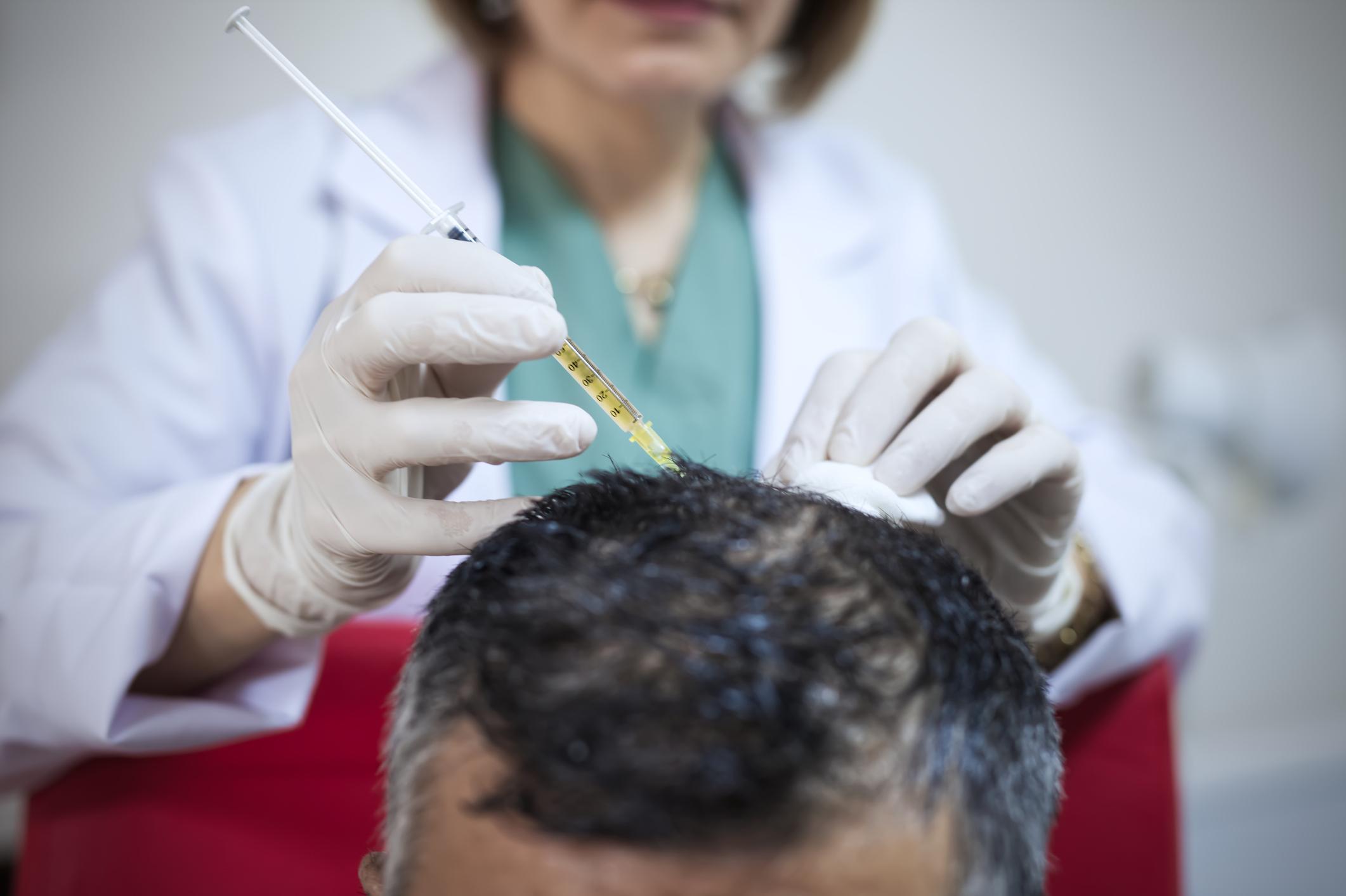
PRP Hair Treatment in Hyderabad: How It Works, Who It Helps, and What ORA Does Differently
7 min read
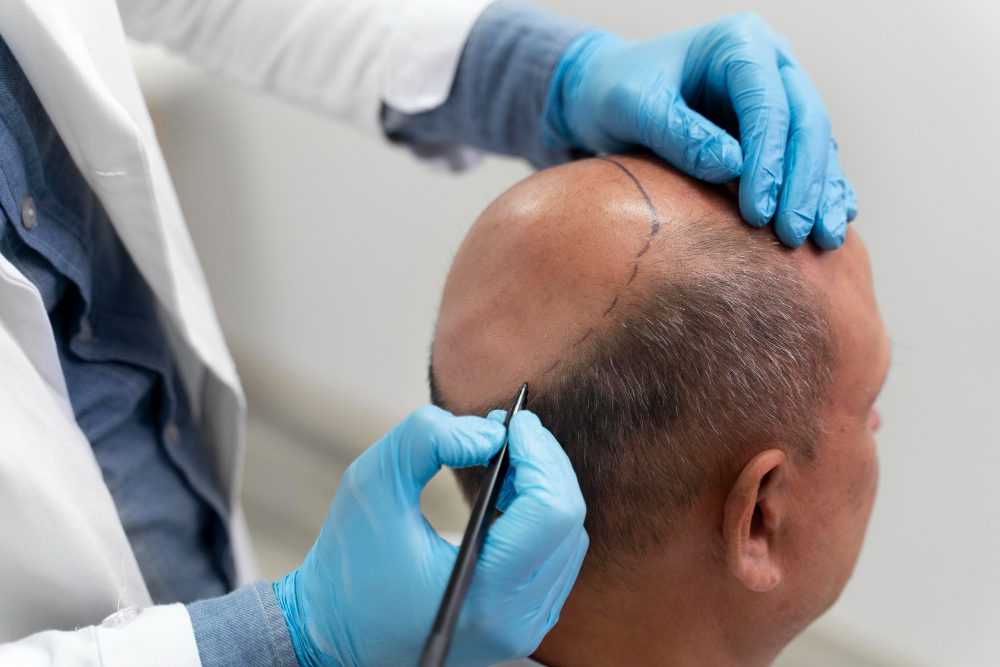
FUT vs FUE vs DHI Hair Transplant in Hyderabad — Which Technique Is Right for You?
9 min read
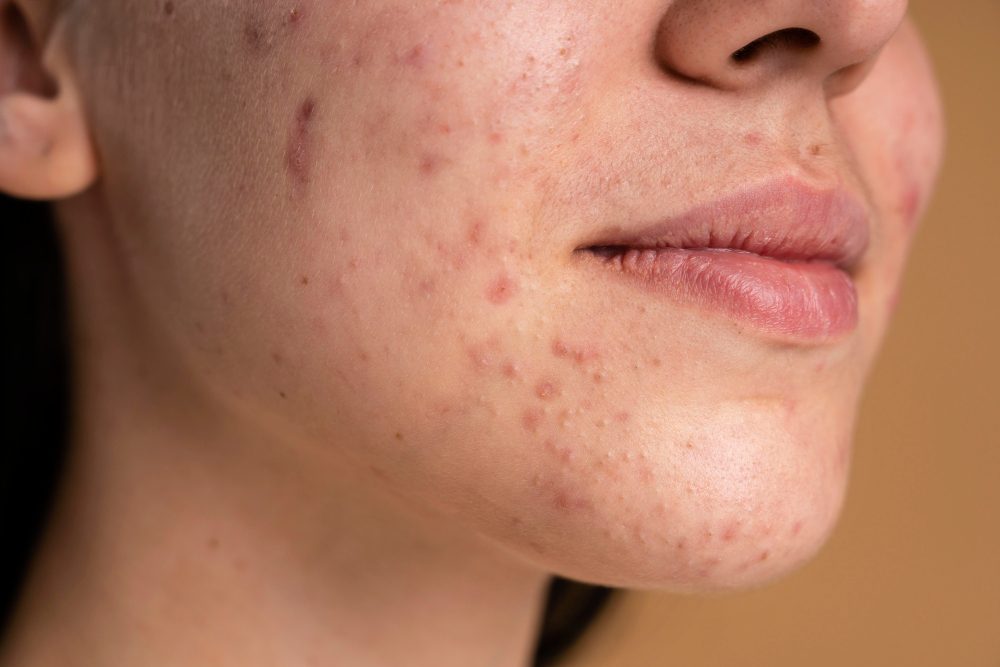
Acne Treatment in Hyderabad: How Humidity, Diet and Indian Skin Affect Your Breakouts
8 min read