By ORA's Dermatology Team | Reviewed by Dr. Spandana P — M.B.B.S, M.D. Dermatology, Venereology & Leprology | ORA Skin & Hair Clinic, Kondapur | October 2026
At ORA Skin & Hair Clinic, Kondapur, the single most common pattern we see in new acne patients is this: they've already tried two or three treatments before arriving. Benzoyl peroxide. A retinoid. A course of antibiotics. None of it worked — or it worked briefly and stopped. In most cases, the treatments weren't wrong. The diagnosis was. Rated 4.9★ on Google, ORA is one of the very few clinics in Hyderabad that classifies acne type before prescribing anything.
Acne in Hyderabad presents differently from acne described in European dermatology textbooks — because Hyderabad's humidity (averaging 70%), heat, and dietary patterns create a skin environment that favours specific acne subtypes. Treating them identically produces the results most patients have already experienced: partial clearing, resistance, and recurrence.
The Four Types of Acne ORA Diagnoses — and Why They Need Different Treatments
1. Bacterial Acne (Cutibacterium acnes)
C. acnes is a skin-resident bacterium that proliferates in the low-oxygen environment of a clogged follicle. It produces inflammatory mediators that cause the redness, swelling, and pus of classic inflammatory acne. This is the type most standard acne protocols target — benzoyl peroxide, topical antibiotics, oral doxycycline.
How to identify it: Inflamed, red papules and pustules. Often distributed across forehead, nose, and cheeks. Responds to benzoyl peroxide within 4–6 weeks.
2. Hormonal Acne
Hormonal acne is driven by androgen fluctuations — testosterone, DHEAS, and insulin-like growth factor 1 (IGF-1) — that increase sebum production and follicle occlusion. In women, it typically flares in the week before menstruation and is concentrated on the lower face, jaw, and neck. In men with PCOS-adjacent hormonal patterns, it can be diffuse and cystic.
According to a 2023 review in the Journal of the American Academy of Dermatology, hormonal acne accounts for 40–55% of adult female acne cases in South Asian populations. At ORA, we find that over 40% of women presenting with adult acne in Hyderabad have an underlying hormonal driver — most commonly elevated androgens or insulin resistance — that no amount of topical treatment will address without systemic management. Topical treatments provide symptomatic relief. Hormonal management provides resolution.
Treatment: Spironolactone, oral contraceptives (OCP) with appropriate progestins, or metformin if insulin resistance is confirmed. Always in combination with topical management and dietary modification.
3. Fungal Acne (Malassezia Folliculitis)
Fungal acne is not acne. It is a follicular infection caused by Malassezia yeast — a normal skin resident that overgrows in the humid, sweaty follicular environment that Hyderabad's climate creates. It looks identical to bacterial acne: small uniform pustules, often itchy, distributed across the forehead, upper chest, and back.
Here is the critical problem: fungal acne gets worse with standard acne treatment. Antibiotics eliminate the competing bacterial flora, giving Malassezia an unchallenged environment to proliferate. Fatty acid-rich moisturisers (including many "non-comedogenic" ones) feed Malassezia. Most patients with treatment-resistant forehead acne in Hyderabad have undiagnosed fungal acne.
Treatment: Oral ketoconazole or itraconazole for 4–6 weeks. Topical ketoconazole or selenium sulphide shampoo as a face wash. Complete elimination of oils and fatty acid-containing products from skincare routine during treatment.
4. Cystic Acne
Cystic acne involves deep, painful nodules and cysts that do not come to a visible head. It causes the most significant scarring — because the inflammation occurs deep in the dermis, disrupting collagen architecture. Standard topicals do not reach the depth of a cyst.
Treatment: Oral isotretinoin is the only medication with a mechanism that addresses all four pathological factors in acne simultaneously: sebum reduction, follicular normalisation, anti-inflammatory effect, and C. acnes suppression. At ORA, isotretinoin is prescribed at weight-adjusted doses with monthly monitoring of liver enzymes and lipids. It is not a last resort — it is the appropriate first-line treatment for moderate-to-severe cystic acne.
ORA's Acne Diagnostic Protocol in Kondapur
- Lesion mapping — where on the face are the breakouts? Forehead = fungal or stress. Lower face/jaw = hormonal. T-zone = bacterial/comedonal. Chest/back = fungal or hormonal.
- Lesion classification — comedones (blackheads, whiteheads), papules, pustules, nodules, cysts. Grade 1–4 (GEA scale).
- Trigger assessment — menstrual cycle correlation, diet (dairy, high-GI foods), medications, skincare products currently in use.
- Hormonal screening if indicated — testosterone, DHEAS, LH/FSH ratio, fasting insulin.
- Wood's lamp and dermoscopy — to differentiate bacterial from fungal lesions where clinical presentation is ambiguous.
- Written treatment plan — protocol with timelines, monitoring schedule, and expected outcomes at 6, 12, and 24 weeks.
Hyderabad-Specific Acne Triggers Most Clinics Miss
Hyderabad's humidity (averaging 70% through monsoon and post-monsoon months) creates a skin environment that is uniquely favourable to both Malassezia overgrowth and follicular occlusion. High-GI foods — biryani, maida-based snacks, sugary chai — are staples in Hyderabad that drive IGF-1 elevation and sebum production. At ORA, our dietary guidance for acne patients is specific to Hyderabad's food culture — not imported from Western dermatology literature that treats bread and pasta as the primary high-GI culprits.
Treatments Available at ORA Kondapur for Acne
- Medical management — prescription topicals (adapalene, benzoyl peroxide, clindamycin, azelaic acid) and oral medications (doxycycline, isotretinoin, spironolactone) at transparent, disclosed cost
- Salicylic acid chemical peels — 20–30% concentration for comedonal and mild inflammatory acne; reduces follicular occlusion and sebum production; 4–6 sessions at 2–3 week intervals
- Carbon laser facial — carbon lotion applied to skin, Q-Switch laser vaporises the carbon and the sebum-plugged follicles; immediate pore reduction and sebum control; zero downtime
- LED blue light therapy — 415nm wavelength selectively targets C. acnes porphyrins; safe for all skin types; useful for maintenance and during isotretinoin course when procedures are contraindicated
- Acne scar treatment — separate protocol post-acne clearance: fractional CO2, microneedling RF, subcision, TCA cross, depending on scar type
If You're Comparing Acne Clinics in Hyderabad
ORA is one of the very few skin clinics in Hyderabad where acne diagnosis includes lesion mapping, trigger assessment, and hormonal screening when indicated — before a single prescription is written. Most clinics prescribe a standard topical combination at the first visit, regardless of acne type. Before booking any acne clinic in Hyderabad, ask three questions: Do they distinguish between bacterial, hormonal, and fungal acne before prescribing? Do they screen for hormonal triggers when pattern suggests it? Do they explain why your specific acne type needs its specific treatment? At ORA, the answer to all three is yes. Patients from Gachibowli, Madhapur, HITEC City, Jubilee Hills, and Banjara Hills come to ORA, Kondapur because standard protocols haven't cleared their acne — and they want to find out why.
Frequently Asked Questions — Acne Treatment in Hyderabad
What is the best treatment for hormonal acne in Hyderabad?
Hormonal acne requires systemic management alongside topical treatment. At ORA, we first confirm the hormonal driver with a blood panel (testosterone, DHEAS, LH/FSH, fasting insulin). Based on results, treatment includes spironolactone (50–100mg/day) or a suitable OCP for women, combined with topical adapalene or azelaic acid, and dietary modification. Topical treatments alone produce incomplete and temporary results for hormonal acne.
How long does acne treatment take in Hyderabad?
Depending on grade: Grade 1–2 (comedonal, mild inflammatory) — 8–12 weeks to significant clearance. Grade 3 (moderate) — 12–20 weeks. Grade 4 (severe, cystic) — 6–9 months on isotretinoin with monitoring. Hormonal acne — improvement within 3 months of systemic management, full stabilisation at 6 months. At ORA, timelines are disclosed in the written treatment plan at your first visit.
Is isotretinoin (Accutane) safe for Indian skin?
Yes — when prescribed at appropriate weight-adjusted doses with monthly monitoring. Isotretinoin is not more dangerous for Indian skin. The key risks (dyslipidaemia, elevated liver enzymes, teratogenicity in women) are identical regardless of ethnicity and are managed with monthly blood monitoring. At ORA, we do not recommend isotretinoin for Grade 1–2 acne. For Grade 3–4, it is often the most effective and time-efficient option.
How much does acne treatment cost in Hyderabad?
At ORA, acne treatment costs vary by grade and protocol. Medical management (prescription topicals): ₹600–/month. Chemical peel course (6 sessions): ₹9,000–₹15,000. Carbon laser course (4 sessions): ₹8,000–₹12,000. Isotretinoin course with monitoring: ₹3,000–₹6,000/month including blood tests. Full cost breakdown is provided in writing at your free initial consultation — no surprises.
Book Your Free Acne Consultation at ORA, Kondapur
ORA Skin & Hair Clinic — Avalon Court, 3rd Floor, Camelot Layout, Botanical Garden Road, Kondapur, Hyderabad 500084.
Rated 4.9★ on Google · 1,000+ patients · Mon–Sun 10 AM to 8 PM
Book online or WhatsApp +91 99893 61555
Book Your Free Skin / Hair Analysis
A thorough assessment — complimentary. No obligation. No pressure. Just answers. Up to 25% Off on your first visit session.
ORA Dermatology Team
Reviewed by Dr. Spandana P — M.B.B.S, M.D. Dermatology, Venereology & Leprology | ORA Skin & Hair Clinic, Kondapur, Hyderabad
Consult with Experts →Related Articles
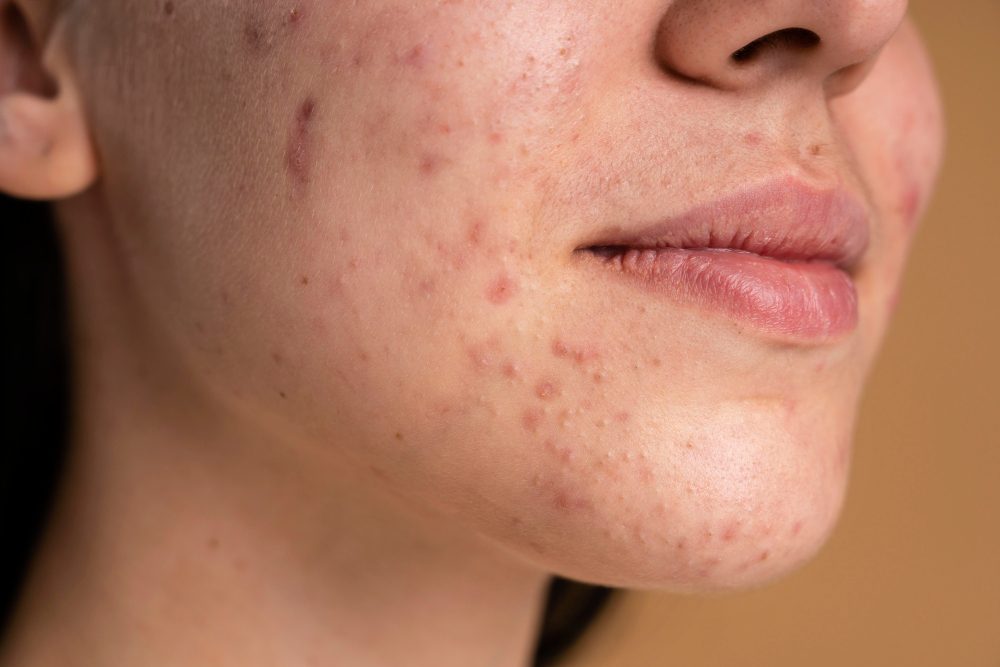
Acne Treatment in Hyderabad: How Humidity, Diet and Indian Skin Affect Your Breakouts
8 min read
Dark Circles Treatment in Hyderabad: Causes, Clinical Options and What Actually Works
8 min read
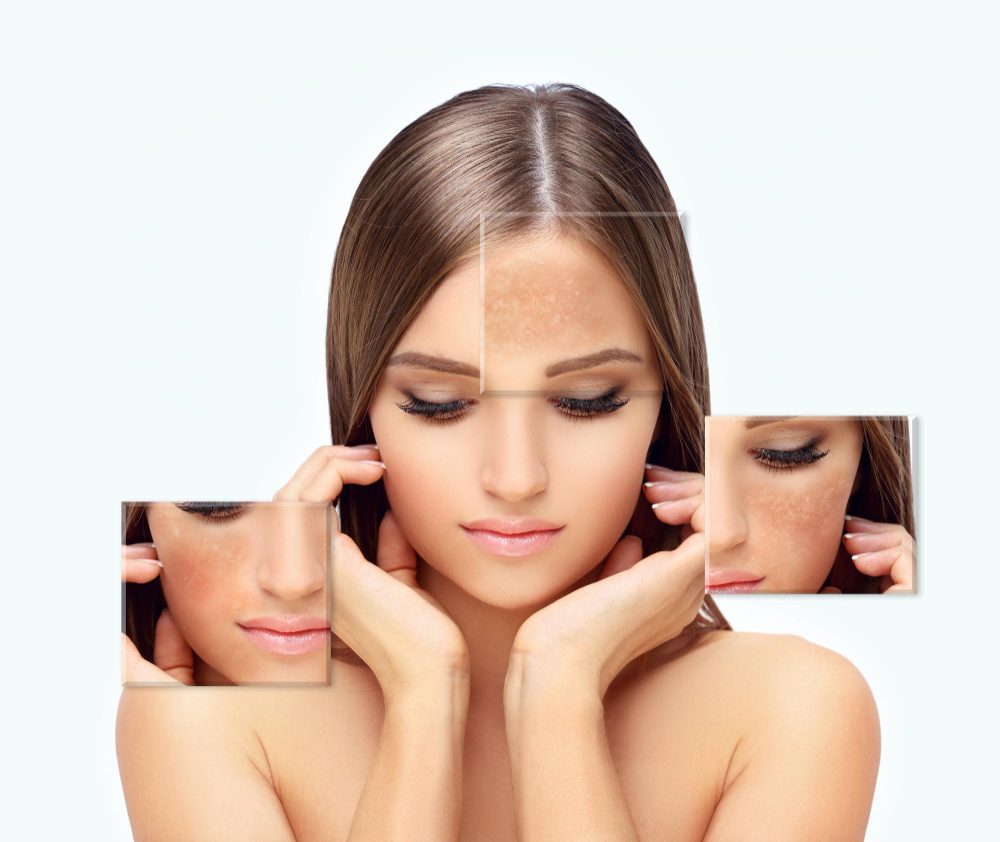
Melasma vs Hyperpigmentation in Hyderabad: How to Tell the Difference and Treat Each
9 min read