
What Causes Patchy Beard Growth?
I see at least 4–5 men a week in my clinic asking about patchy beard growth. The query is almost always the same: "I've had these bare patches since I was in college — nothing seems to work." Most of them have tried biotin supplements, beard oils, and minoxidil with inconsistent results. The reason is that patchy beard growth is not a single condition — it has at least four distinct causes, and each one requires a different treatment approach.
1. Alopecia Areata (Beard Type)
Alopecia areata affecting the beard — sometimes called alopecia areata barbae — is an autoimmune condition where the immune system mistakenly attacks hair follicles. It presents as sharply demarcated, smooth patches in the beard area, often circular or oval. According to a 2022 review in the Journal of the European Academy of Dermatology and Venereology, approximately 28% of patients with alopecia areata have beard involvement, often alongside scalp hair loss. At ORA, I see this most commonly in men aged 18–35.
2. Androgenetic Influence (Low DHT Sensitivity in Facial Follicles)
Unlike scalp hair, facial hair follicles require dihydrotestosterone (DHT) for growth. Men with lower androgen sensitivity in facial follicle receptors develop sparse or patchy beard growth despite normal testosterone levels. This is genetic and represents the majority of men who present with diffuse (non-patchy) thin beard growth.
3. Folliculitis-Induced Scarring
Recurrent folliculitis (infection of hair follicles from shaving, ingrown hairs, or bacterial colonisation) can cause localised scarring that permanently destroys follicles. Once a follicle is scarred, it cannot regrow hair — making early treatment critical.
4. Tinea Barbae (Fungal Infection)
A fungal infection of the beard area, often mistaken for folliculitis. Presents with inflamed, crusted patches with broken hairs. Requires antifungal treatment — not hair regrowth therapy. This is one reason I insist on dermoscopy before prescribing any beard treatment.
Beard Patch Treatment Options — What Works at Each Stage
Here's how we approach beard patching at ORA, matched to the underlying cause:
For Alopecia Areata Barbae
- Topical corticosteroids: First-line treatment. Intralesional triamcinolone injections directly into the patch show 60–70% response rates in beard alopecia areata, per a 2021 study in Dermatologic Therapy.
- Topical minoxidil 5%: Stimulates follicle activity. Effective as adjunct therapy in alopecia areata but not standalone.
- PRP (Platelet-Rich Plasma): Growth factors from activated platelets stimulate dormant follicles and reduce autoimmune inflammation locally. At ORA, we use PRP for beard alopecia areata in patients who have not responded adequately to corticosteroids.
- JAK inhibitors (oral — tofacitinib, baricitinib): For severe or rapidly progressing alopecia areata. Requires haematological monitoring. We reserve this for extensive cases.
For Androgen-Related Sparse Beard
- Topical minoxidil 5% solution or foam: Applied twice daily to the beard area. Clinical evidence from a 2016 randomised controlled trial in the Journal of Dermatology showed statistically significant improvement in beard hair count after 16 weeks. Results require 4–6 months of consistent use.
- PRP for beard growth: Platelet-derived growth factors (PDGF, VEGF) stimulate dormant follicles in the beard area. At ORA, we typically recommend 4 sessions spaced 4 weeks apart, with maintenance sessions at 6 months.
- Beard transplant (FUE): For men with minimal natural beard density who want permanent results. Individual follicles are transplanted from the donor area (typically scalp or chin) to the beard region. Results are permanent. Dr. Irfan Ahmed at ORA performs beard FUE transplants.
For Folliculitis-Related Patches
- Topical or oral antibiotics to clear active infection
- Shaving technique correction (direction, blade type, post-shave care)
- If scarring has occurred — discuss beard transplant once the infection is cleared
PRP for Beard Growth — What to Expect at ORA
PRP (Platelet-Rich Plasma) for beard growth is one of the most effective non-surgical treatments we offer at ORA for alopecia areata barbae and dormant follicles. Here is exactly what the procedure involves:
- Blood draw (15 ml): A small blood sample is taken from your arm.
- Centrifugation: The sample is spun in our centrifuge for 10 minutes to separate platelet-rich plasma from red blood cells.
- Activation: The PRP is activated with calcium chloride to release growth factors.
- Micro-injection: The activated PRP is injected into the beard area using a fine mesotherapy needle — approximately 30–40 injection points per session.
- Session duration: 30–40 minutes total.
- Protocol: 4 sessions, 4 weeks apart. Maintenance at 6 months.
At ORA, we consistently see visible new hair growth in 60–70% of patients with alopecia areata barbae after 3 PRP sessions. For dormant follicles in androgen-related thin beard, improvement is more gradual — 4–6 months — and is best combined with topical minoxidil.
Beard Transplant in Hyderabad — FUE at ORA
A beard transplant is the only permanent solution for patches caused by follicle scarring, persistent alopecia areata, or genetically absent follicles. At ORA, beard transplants are performed by Dr. Irfan Ahmed using the FUE (Follicular Unit Extraction) technique.
How beard FUE works:
- Individual follicular units are extracted from a donor area (typically the scalp occipital region or below the chin)
- Grafts are transplanted into the bare patch at the correct angle and direction to match natural beard growth
- Local anaesthesia — no general anaesthesia required
- Results are permanent — transplanted follicles retain donor characteristics
- Full results visible at 9–12 months post-transplant
Who is a candidate for beard transplant? Men with stable alopecia areata (no active progression for at least 12 months), folliculitis-related scarring, or genetically absent patches. We do not transplant into actively inflamed or infected areas.
Hyderabad-Specific Factors That Worsen Beard Patches
At our Kondapur clinic, I observe several local factors that specifically worsen beard patching:
- Stress: Hyderabad's tech workforce and startup culture correlates with high cortisol levels. Cortisol directly suppresses follicle activity and can trigger or worsen alopecia areata flares.
- Shaving with hard water: Hyderabad's water (TDS 200–400 ppm) affects razor glide and post-shave barrier function, increasing folliculitis risk.
- Heat and sweat: Summer temperatures (40–44°C) increase folliculitis episodes, especially for men who exercise regularly.
If You're Comparing Clinics for Beard Treatment in Hyderabad
Before choosing a clinic for beard patching treatment, ask these questions:
- Does the doctor perform dermoscopy to confirm whether the cause is alopecia areata, scarring, or folliculitis before prescribing?
- Is PRP being offered as a standalone service or as part of a diagnosed treatment plan?
- If a beard transplant is recommended — is it performed by a hair transplant surgeon or delegated to a technician?
ORA Skin & Hair Clinics, Kondapur, answers yes, yes, and yes. Dr. Spandana P (M.D. Dermatology) handles the diagnosis, and Dr. Irfan Ahmed performs the transplant procedure. Patients come to ORA from Gachibowli, Madhapur, Manikonda, Banjara Hills, and HITEC City specifically because they want dermatologist-led diagnosis before any procedure.
Beard Patching FAQ
- Can patchy beard be fixed without a transplant?
- Yes — in many cases. Alopecia areata barbae responds well to intralesional steroid injections and PRP. Dormant follicles (androgen-related sparse beard) can be stimulated with topical minoxidil and PRP. A transplant is only necessary when follicles are permanently scarred or genuinely absent.
- How long does beard PRP take to show results?
- Most patients begin to see new hair in the treated area 6–10 weeks after the first session. Full results from a 4-session protocol are visible at 4–5 months. Results are enhanced significantly when combined with topical minoxidil 5%.
- Does alopecia areata in the beard spread to the scalp?
- It can. Approximately 30–40% of patients with alopecia areata barbae develop scalp involvement over time. Early treatment and monitoring are important. At ORA, we assess both beard and scalp at initial consultation for any patient presenting with beard patches.
- Is beard transplant permanent?
- Yes. FUE beard transplant results are permanent. Transplanted follicles retain the donor characteristics and continue to grow like natural beard hair. Some patients require a second session to increase density, but the initial results do not fall out.
- What is the cost of beard PRP or beard transplant in Hyderabad?
- PRP for beard at ORA starts from ₹3,500–5,000 per session. Beard transplant cost depends on the number of grafts required — Dr. Irfan Ahmed provides a graft count estimate at the free consultation. Visit our treatment cost page for indicative pricing.
Book Your Free Beard Consultation at ORA, Kondapur
ORA Skin & Hair Clinics — 3rd Floor, Avalon Court, Camelot Layout, Botanical Garden Road, Kondapur, Hyderabad 500084.
Rated 4.9★ on Google by 500+ patients.
Book online or WhatsApp +91 99893 61555.
Book Your Free Skin / Hair Analysis
A thorough assessment worth ₹1,500 — completely free. No obligation. No pressure. Just answers. Up to 40% Off on your first visit session.
Dr. Spandana P
Dr. Spandana P is the lead dermatologist at ORA Skin & Hair Clinics, Kondapur, Hyderabad. She specialises in trichology, medical dermatology, and aesthetic treatments for Indian skin.
Consult with Experts →Related Articles
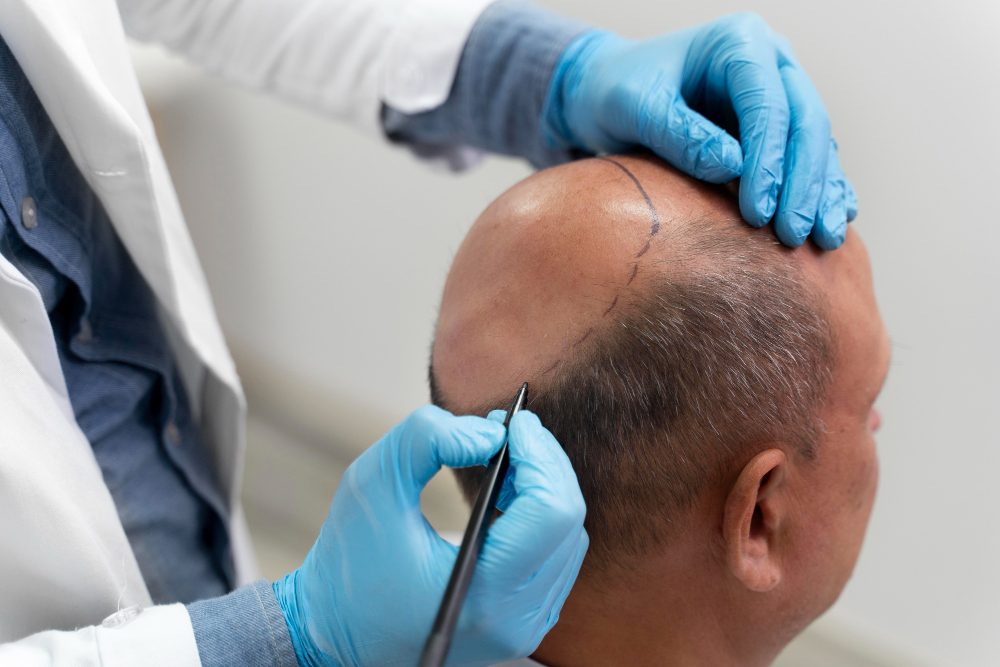
FUT vs FUE vs DHI Hair Transplant in Hyderabad — Which Technique Is Right for You?
9 min read
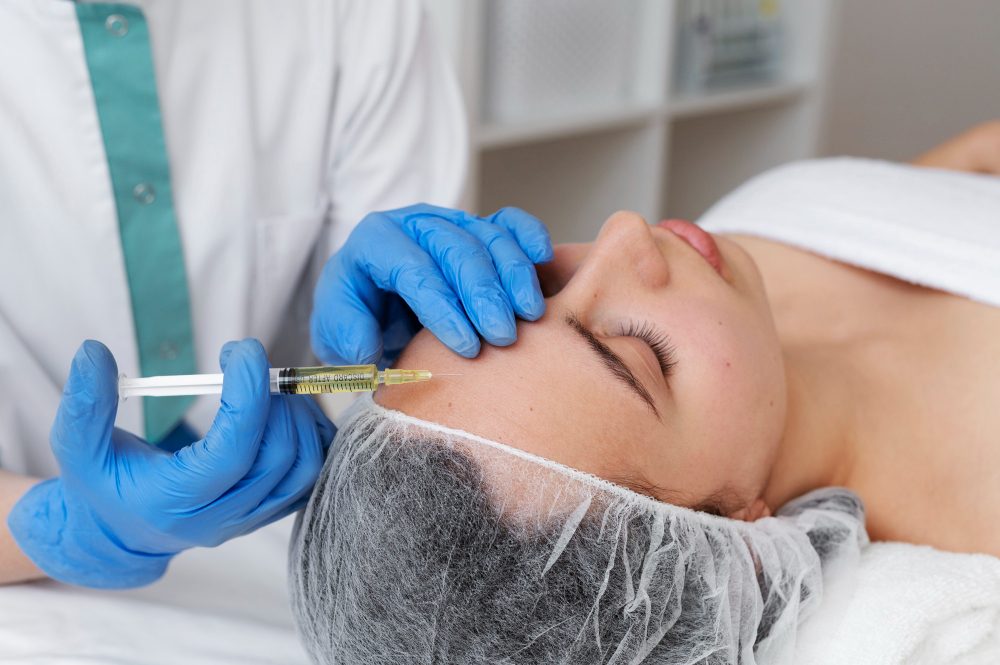
Exosome Hair Treatment in Hyderabad: The Science, What to Expect, and Real Results
7 min read

Monsoon Hair Fall in Hyderabad — Why It Spikes in July and How to Stop It
7 min read