
By Dr. Spandana P — M.B.B.S, M.D. Dermatology, Venereology & Leprology | ORA Skin & Hair Clinics, Kondapur, Hyderabad | Published June 2026
Acne scar treatment is one of the most technically demanding areas of dermatology. The mistake I see most often — from patients and from some clinics — is treating "acne scars" as a single condition. They are not. Ice-pick scars, boxcar scars, rolling scars, hypertrophic scars, and post-inflammatory hyperpigmentation (PIH) all require completely different treatment approaches. Apply the wrong treatment, and you can worsen the appearance rather than improve it. This guide explains how to identify your scar type and what evidence-based treatment matches it.
Types of Acne Scars — The Correct Classification
Atrophic Scars (Loss of Collagen)
Atrophic scars are depressed scars formed when the skin loses collagen during the healing process. They are the most common type in Indian patients. There are three subtypes:
- Ice-pick scars: Deep, narrow, V-shaped channels extending into the dermis. Most common on cheeks. These are the most difficult to treat because the scar extends deeply below the surface. Standard resurfacing peels or even fractional laser alone cannot reach the full depth. TCA CROSS (chemical reconstruction of skin scars) is the gold-standard for ice-pick scars.
- Boxcar scars: Wider, box-shaped depressions with sharply defined vertical edges. Common on cheeks and temples. Respond well to fractional CO2 laser resurfacing and subcision followed by biostimulators.
- Rolling scars: Wavy, undulating skin surface caused by fibrous tethering beneath the skin. Best addressed first with subcision (a needle technique that breaks the fibrous bands), followed by GFC or biostimulator injection to fill the space and stimulate collagen.
Hypertrophic and Keloid Scars (Excess Collagen)
Raised scars caused by excessive collagen formation during healing. More common in individuals with Fitzpatrick IV–VI skin — which includes many of our patients at ORA in Kondapur. Treated with intralesional steroid injections, silicone gel sheeting, and in some cases laser therapy. Keloids extend beyond the original wound margin; hypertrophic scars do not.
Post-Inflammatory Hyperpigmentation (PIH)
PIH is not a true scar — it is a flat, dark mark left when inflammation triggers excess melanin production in the skin. It is extremely common in Indian patients (Fitzpatrick III–V) because melanin-rich skin responds more aggressively to any inflammatory trigger, including acne. PIH fades over months with the right treatment and consistent SPF use — but without SPF, it will deepen and persist indefinitely in Hyderabad's year-round sun exposure.
Treatment Options Matched to Scar Type
| Treatment | Ice-Pick | Boxcar | Rolling | PIH |
|---|---|---|---|---|
| TCA CROSS | ✅ Excellent | Limited | Not suitable | No |
| Fractional CO2 Laser | Partial | ✅ Excellent | ✅ Good | Not recommended |
| Subcision + GFC | Not suitable | ✅ Good | ✅ Excellent | No |
| Q-Switch Laser | No | No | No | ✅ Excellent |
| Chemical Peels | Not suitable | ⚠ Mild only | No | ✅ Good |
| Dermal Fillers | No | ✅ Temporary | ✅ Temporary | No |
Why Indian Skin Requires a Specialised Approach to Acne Scar Treatment
Indian skin (Fitzpatrick III–VI) has a higher melanin content and a more reactive melanocyte response than lighter skin types. This creates two specific challenges in acne scar treatment:
- PIH risk from treatment itself: Fractional CO2 laser, TCA CROSS, and aggressive peels can cause post-treatment hyperpigmentation in Indian skin if parameters are not calibrated carefully. At ORA, I use conservative energy settings for first sessions and escalate gradually based on your skin's response.
- Slow PIH resolution: Even with perfect treatment, PIH fades more slowly in darker skin types. Consistent SPF 50+ is non-negotiable during and after treatment — in Hyderabad's UV Index of 6–9, unprotected skin will re-pigment within weeks of any laser treatment.
According to a 2022 study in the Indian Journal of Dermatology, combination treatment (laser + chemical peel + topical agents) achieved 60–70% improvement in atrophic acne scars in Indian patients over 6 sessions — outperforming single-modality treatment in every scar subtype.
ORA's Acne Scar Treatment Protocol — What to Expect
At ORA Skin & Hair Clinics, Kondapur, here is how I approach acne scar treatment:
- Scar mapping: I classify every scar on your face by type and depth using dermoscopy. This takes 15–20 minutes and determines which treatments will be used.
- Active acne control first: If you still have active breakouts, we address those before treating scars. Treating scars on inflamed skin causes new PIH and worsens the outcome.
- Staged treatment: We never combine aggressive modalities in a single session. TCA CROSS in one session, fractional laser in the next — typically 4–6 weeks apart — to allow healing and minimise the risk of adverse events.
- Home care protocol: SPF 50+ daily (non-negotiable), prescription-grade topical retinoid (tretinoin), and a targeted brightening agent for PIH where indicated.
- Realistic timeline: Acne scar improvement is measured in months, not weeks. I give patients a 6–12 month outlook at the first consultation and show photographic evidence of what is achievable.
Why Patients from Gachibowli, Madhapur, and Kondapur Trust ORA for Acne Scars
At ORA Skin & Hair Clinics, Botanical Garden Road, Kondapur — rated 4.9★ on Google by 500+ patients — I treat acne scar patients from across Gachibowli, Madhapur, HITEC City, Manikonda, and Jubilee Hills. The most important thing I offer is honest expectation management: I will tell you exactly what is achievable with your scar type, and I will not recommend any procedure that I do not believe will benefit you specifically.
ORA is one of the very few clinics in Hyderabad that performs dermoscopic scar mapping before every acne scar treatment plan, ensuring each modality is matched to the correct scar type rather than applying a generic protocol to every patient.
If You're Comparing Acne Scar Clinics in Hyderabad
Before booking an acne scar treatment, ask any clinic:
- "Will you classify my scar types before recommending treatment?"
- "Do you use dermoscopy or trichoscopy for assessment?"
- "What is your protocol for avoiding post-treatment PIH in Indian skin?"
- "Can you show me before/after photographs of patients with my skin type?"
Frequently Asked Questions
Can acne scars be completely removed?
Complete removal is rarely achievable for atrophic scars (ice-pick, boxcar, rolling) — but 50–80% improvement is realistic with the right combination treatment protocol. PIH can often be cleared entirely with appropriate laser treatment and sun protection. I set honest expectations at the first consultation and show photographic benchmarks.
How many sessions of TCA CROSS will I need for ice-pick scars?
Most patients need 3–6 TCA CROSS sessions spaced 6–8 weeks apart. Ice-pick scars are progressive — each session stimulates collagen to fill the scar from the bottom up. Results are gradual and cumulative.
Can I treat acne scars while still getting breakouts?
No. Active breakouts must be controlled first. Treating scars while active acne is present creates new PIH and can worsen the overall appearance. At ORA, I insist on a 2–3 month acne-free period before starting any scar treatment.
Is fractional CO2 laser safe for Indian skin?
Yes, when performed at calibrated settings by an experienced dermatologist. The risk with fractional CO2 on Indian skin is post-inflammatory hyperpigmentation from overly aggressive settings. At ORA, I start conservative and escalate — prioritising safety over aggressive results in a single session.
Book Your Acne Scar Assessment at ORA, Kondapur
ORA Skin & Hair Clinics — 3rd Floor, Avalon Court, Camelot Layout, Botanical Garden Road, Kondapur, Hyderabad 500084.
Rated 4.9★ on Google by 500+ patients.
Book online or WhatsApp 919989361555.
Book Your Free Skin / Hair Analysis
A thorough assessment worth ₹1,500 — completely free. No obligation. No pressure. Just answers. Up to 40% Off on your first visit session.
Dr. Spandana P
Dr. Spandana P is a qualified dermatologist at Ora Skin Clinics, Kondapur, with an M.B.B.S and M.D. in Dermatology, Venereology & Leprology. She specialises in advanced skin and hair treatments — bringing a clinical, evidence-based approach to every consultation.
Consult with Experts →Related Articles
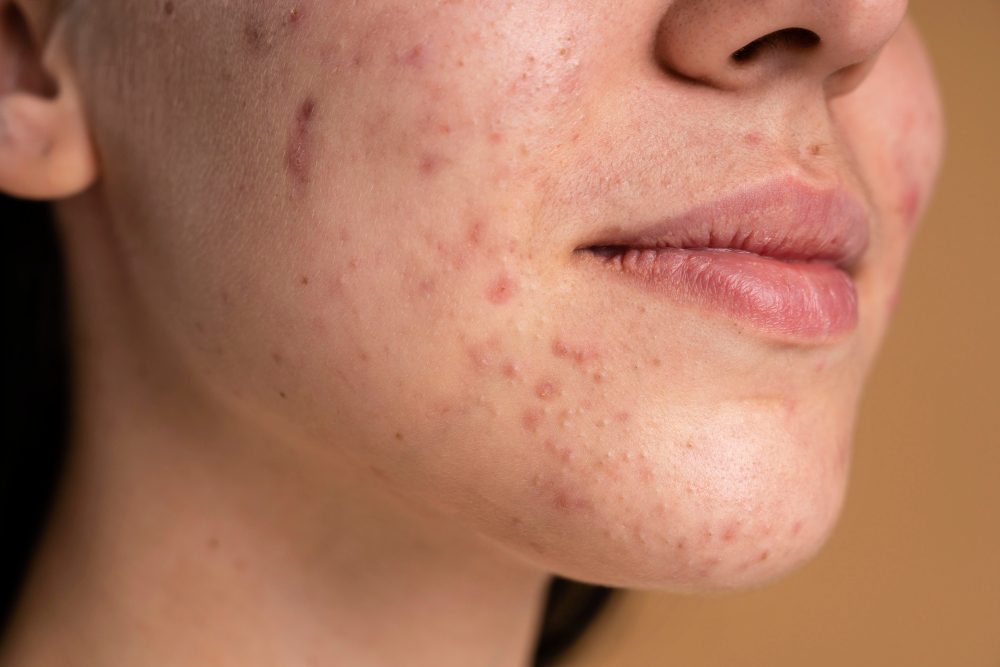
Acne Treatment in Hyderabad: How Humidity, Diet and Indian Skin Affect Your Breakouts
8 min read
Dark Circles Treatment in Hyderabad: Causes, Clinical Options and What Actually Works
8 min read
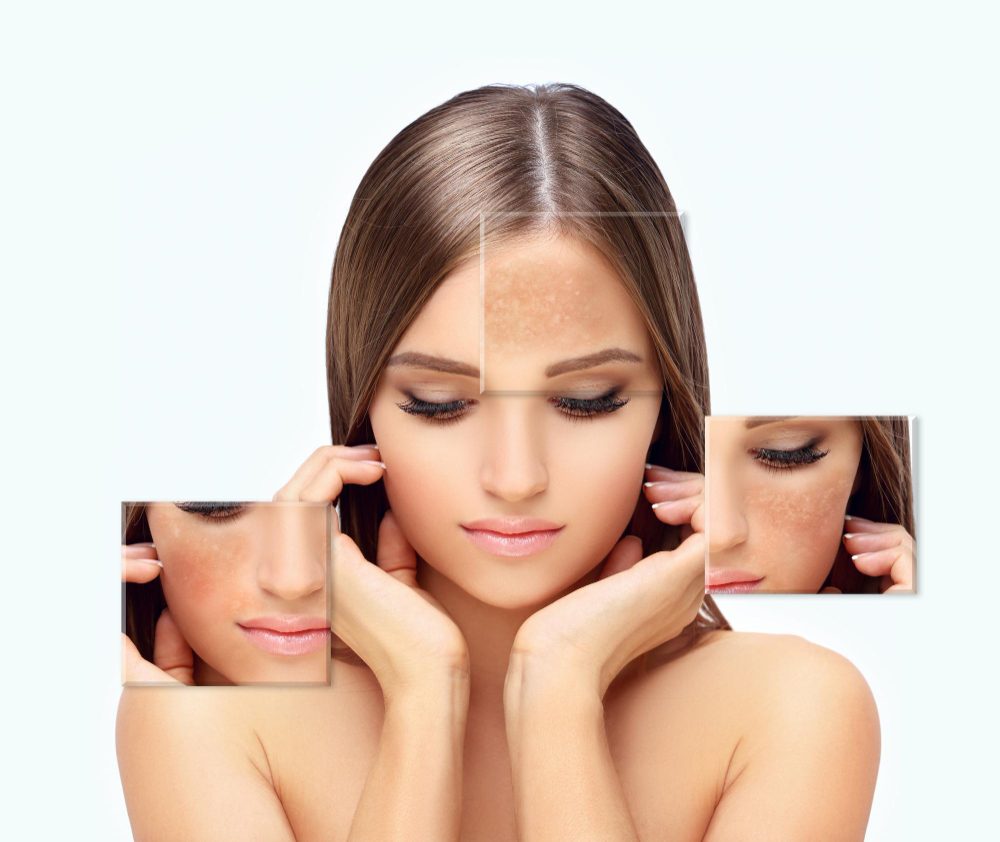
Melasma vs Hyperpigmentation in Hyderabad: How to Tell the Difference and Treat Each
9 min read