MNRF Treatment for Acne Scars in Hyderabad: What It Is, Who It Works For, and What ORA Does Differently
Most acne scar treatments in Hyderabad fail not because the technology is wrong — but because the scar type wasn't correctly identified before treatment began. MNRF (Microneedling Radiofrequency) is one of the most effective procedures for atrophic acne scars on Indian skin. It is also one of the most misapplied.
At ORA Skin & Hair Clinic, Kondapur, our protocol begins with a scar subtype classification under dermatoscopy before any device is switched on. Here is what that means in practice, and why it changes outcomes.
What MNRF Actually Does to Your Skin
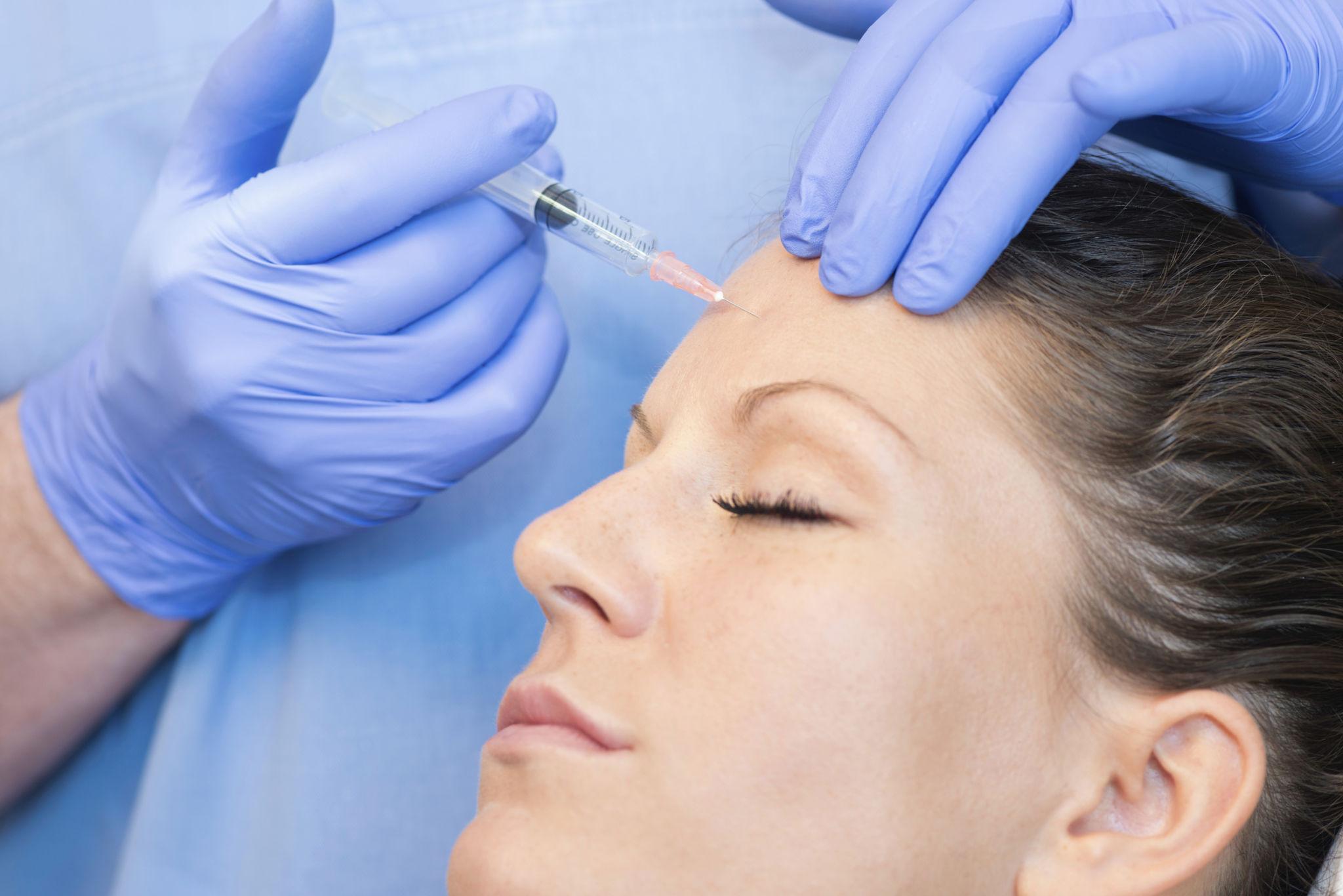
MNRF is a device-based procedure that combines two mechanisms: micro-injuries from insulated needles that bypass the epidermis, and radiofrequency energy delivered at a precise depth in the dermis. The combined stimulus triggers collagen neogenesis — the formation of new collagen — and remodels existing scar tissue from below the surface.
The key distinction from ablative lasers is depth control. Radiofrequency energy is deposited at a clinician-set depth — typically 1.0 to 3.5 mm depending on scar type — while the epidermis is spared. According to a 2023 study published in the Journal of Cosmetic Dermatology, fractional MNRF produced a 60–70% improvement in rolling and boxcar scars in Fitzpatrick III–V skin over 3–4 sessions, with a low adverse-event profile compared to ablative CO₂ laser.
For Indian skin — predominantly Fitzpatrick III to V — this matters significantly. Ablative lasers carry a higher risk of post-inflammatory hyperpigmentation (PIH) in darker skin types. MNRF bypasses this risk because the epidermis is not ablated.
The Scar Type Question: Why It Determines Everything
Acne scars are not a single entity. There are six recognised subtypes, and each responds differently to treatment:
- Rolling scars — broad, shallow depressions with sloping edges. Best response to MNRF.
- Boxcar scars — well-defined vertical walls, shallow to medium depth. Good MNRF response; deeper variants may need subcision first.
- Icepick scars — narrow, deep, V-shaped. MNRF has limited effect. TCA CROSS (Chemical Reconstruction of Skin Scars) is the standard first-line treatment.
- Hypertrophic / keloid scars — raised, not atrophic. Contraindicated for MNRF; needs intralesional steroids.
- Post-inflammatory hyperpigmentation (PIH) — not a scar at all. Treated with topicals and Q-switch laser, not MNRF.
- Macular scars — flat, discoloured. Respond to chemical peels and laser toning, not MNRF.
At ORA Skin & Hair Clinic in Kondapur, our dermatologist uses dermatoscopic assessment to classify scar subtypes before recommending any procedure. A patient presenting with predominantly icepick scars will not benefit from MNRF alone — and should not be sold it. This is not how most clinics in Hyderabad operate.
ORA's MNRF Protocol for Acne Scars
Here is exactly what happens when a new patient comes to ORA for acne scar assessment:
- Dermatoscopic scar mapping — ORA's dermatologist examines the scar landscape using a dermatoscope under 10–20× magnification. Each subtype is noted. If icepick scars are present, TCA CROSS is planned alongside or before MNRF.
- Fitzpatrick skin typing — determines the energy parameters and depth settings safe for the patient's melanin load. Indian skin at Fitzpatrick IV–V requires lower fluence and careful endpoint monitoring.
- Active acne check — MNRF is contraindicated in active inflammatory acne. If active lesions are present, the acne is treated first. Beginning scar treatment on inflamed skin is one of the most common errors in aesthetic clinics.
- Session planning — ORA's standard MNRF course for atrophic acne scars is 3–4 sessions at 4–6 week intervals. Combining MNRF with subcision (for tethered rolling scars) or TCA CROSS (for icepick scars) is planned at this stage.
- Post-procedure protocol — SPF 50+ daily for a minimum of 4 weeks post-session. Physical barrier, not chemical sunscreen, is preferred for Fitzpatrick IV–V skin. Topical niacinamide 10% to prevent PIH. Patients receive a written post-care sheet at discharge.
How Many Sessions Are Needed?
The honest answer depends on scar depth, number of scars, and skin response — which varies. What ORA can tell you from clinical data:
For moderate rolling and boxcar scars (Goodman & Baron Grade 2–3), most patients see measurable improvement — visible scar softening and texture improvement — by session 2. The 60–70% improvement figure cited in the literature refers to 3–4 completed sessions assessed at 3 months post-final treatment, not at the end of session 1.
At ORA's Kondapur clinic, we consistently find that patients who have had prior chemical peels or superficial lasers elsewhere without improvement respond well to MNRF — because those treatments worked at the epidermal level, not the dermal level where the scar tissue lives.
MNRF vs CO₂ Laser vs Chemical Peels: Which Is Right for Indian Skin?
This is the comparison patients in Hyderabad search most. The honest answer:
Chemical peels treat epidermal texture and PIH — not atrophic scars. If the problem is redness or dark spots left by acne, peels are appropriate. If the problem is indented scars, peels will not help.
CO₂ fractional laser is highly effective for atrophic scars but ablates the epidermis — meaningful downtime (5–7 days), and in Fitzpatrick IV–V skin, a real risk of PIH or hypopigmentation if parameters are not managed precisely. At ORA, we reserve CO₂ laser for patients with predominantly Grade 3–4 scarring and adequate sun avoidance compliance.
MNRF is the preferred first-line option at ORA for most atrophic acne scar presentations on Indian skin: effective, low downtime (1–2 days of redness/micro-crusting), epidermis-sparing, and safe across Fitzpatrick III–V. The tradeoff is that it requires more sessions than ablative CO₂.
ORA is one of the few clinics in Hyderabad where a qualified dermatologist — not a technician — determines which procedure is appropriate for your specific scar type, Fitzpatrick type, and lifestyle constraints, before any procedure is booked.
If You're Comparing Clinics in Kondapur or Hyderabad — 4 Questions to Ask
- Did a doctor classify my scar subtypes before recommending MNRF? — Without subtype classification, there is no way to predict response. At ORA, this is the first step.
- Is active acne present, and is it being treated first? — Any clinic starting scar treatment over active inflammatory acne is making a clinical error.
- What are the depth and energy settings for my Fitzpatrick type? — Fitzpatrick IV–V skin requires adjusted parameters. The answer should be specific, not "we adjust for Indian skin."
- Who operates the device — a dermatologist or a therapist? — At ORA, it is Dr. Spandana P. The energy parameters and depth settings for MNRF require clinical judgement, not just device training.
Patients Come to ORA for Acne Scars from Across Hyderabad
ORA sees acne scar patients from Gachibowli, Madhapur, HITEC City, Manikonda, Miyapur, Jubilee Hills and Banjara Hills — many of whom arrive after 2–3 prior treatments elsewhere that produced no visible change. The consistent pattern: the treatment was real, but it was applied to the wrong scar type. MNRF on icepick scars, peels on atrophic scars, or treatment started over active acne.
At ORA Skin & Hair Clinics, Botanical Garden Road, Kondapur, we start with the scar map — before the treatment plan. Rated 4.9★ on Google by 1,000+ patients.
Frequently Asked Questions About MNRF for Acne Scars
How painful is MNRF treatment?
ORA applies a topical anaesthetic cream 30–45 minutes before the procedure. During the session, most patients describe a warm, prickling sensation rather than pain. Post-procedure, the skin feels like a mild sunburn for 12–24 hours. Most patients return to work the following day.
Can MNRF treat all types of acne scars?
No. MNRF is most effective for rolling and boxcar scars — the atrophic types caused by collagen loss. Icepick scars (narrow, deep punctures) respond better to TCA CROSS. Hypertrophic or keloid scars are a contraindication. At ORA, dermatoscopic classification determines whether MNRF is appropriate for your scar type before the procedure is booked.
Is MNRF safe for dark skin (Indian skin)?
Yes — MNRF is considered one of the safest scar treatments for Fitzpatrick III–V (most Indian skin types) because the radiofrequency energy is delivered through insulated needles that bypass the epidermis. This avoids the epidermal melanin disruption that causes post-inflammatory hyperpigmentation with ablative lasers. At ORA, parameters are adjusted for each patient's Fitzpatrick type.
How long before I see results from MNRF?
Collagen remodelling takes time. Initial texture improvement is typically visible at 4–6 weeks after the first session. The most significant improvement appears 3 months after the final session. ORA's standard protocol is 3–4 sessions — most patients see 50–70% scar improvement at 3-month post-treatment assessment.
Can MNRF be combined with other acne scar treatments?
Yes — combination is often the standard of care. At ORA, we commonly combine MNRF with subcision (for tethered rolling scars), TCA CROSS (for icepick scars), and Q-switch laser toning (for post-inflammatory pigmentation). The combination protocol is designed based on the scar subtype distribution at your assessment.
What is the cost of MNRF treatment in Hyderabad at ORA?
MNRF session cost at ORA depends on the treatment area size and the combination protocol planned. The consultation at ORA includes dermatoscopic scar assessment — so you leave your first visit with a confirmed scar map and a written treatment plan. Contact ORA at +91 99893 61555 or book online at oraskinclinics.com for a consultation.
Book Your Free Skin / Hair Analysis
A thorough assessment — complimentary. No obligation. No pressure. Just answers. Up to 25% Off on your first visit session.